Self-Guided Walking
Japan: Shikoku
Average customer rating 5.0 / 5(1 verified reviews)
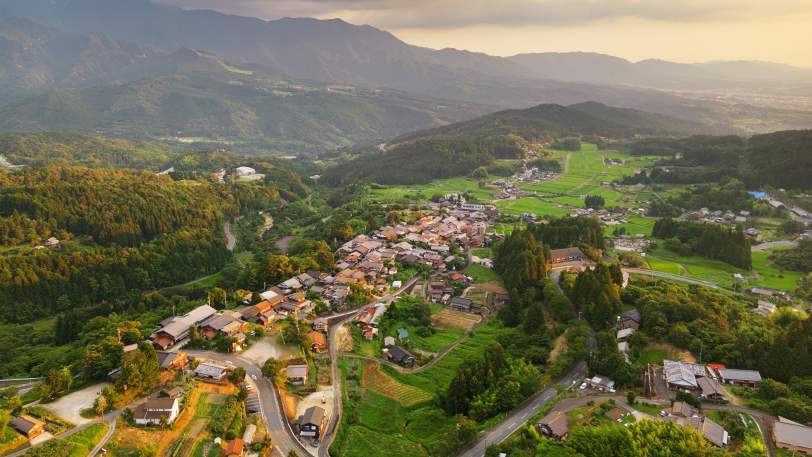
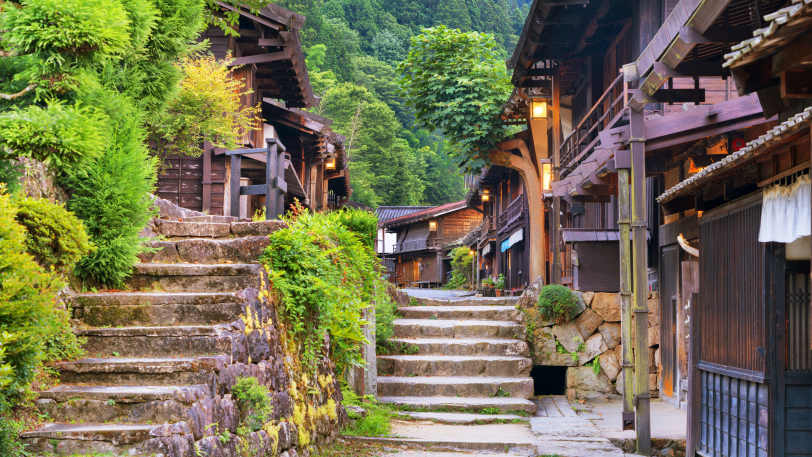
Shikoku is Japan’s fourth-largest island, home to some of the country’s most spectacular and undeveloped scenery. The island is also home to the ancient walking trail, Shikoku 88 Pilgrimage. The trail connects 88 Buddhist temples with the entire walk covering more than a thousand kilometers.
Our travel specialists can arrange flights, rail and transfers to this holiday from wherever you are. Call us to plan your journey. +44 1606 720099


Take the express train from Osaka Kansai Int. Airport to Kyoto City (approx. 70mins), then a local taxi to your first hotel. (approx. 10mins).
You stay at Hotels, Shukubo, Ryokans & Minshuku Guesthouses
Hotels: Modern western-style hotels are used. The rooms are generally smaller than equivalent hotels in the West. All have en-suite facilities, air-conditioning, TV, and fridges in rooms.
Shukubo: These are lodgings in Buddhist temples originally meant for pilgrims, but now open to anyone. The rooms are similar to Ryokan or Minshuku, though with fewer facilities. The food is excellent vegetarian Buddhist ‘Shojin-Ryori’ cuisine. It is a wonderful experience to stay in a Shukubo and there is often the opportunity to join the early morning religious service.
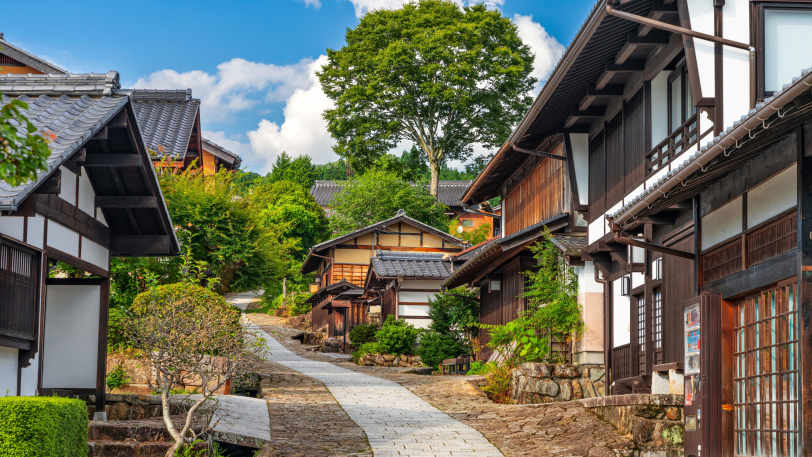
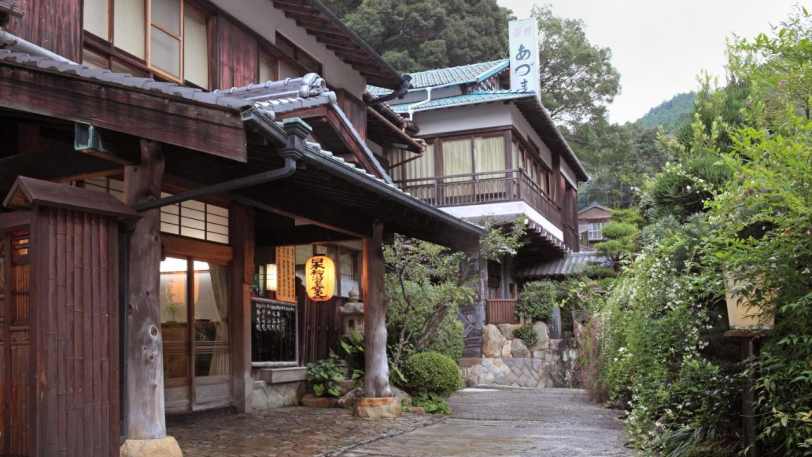
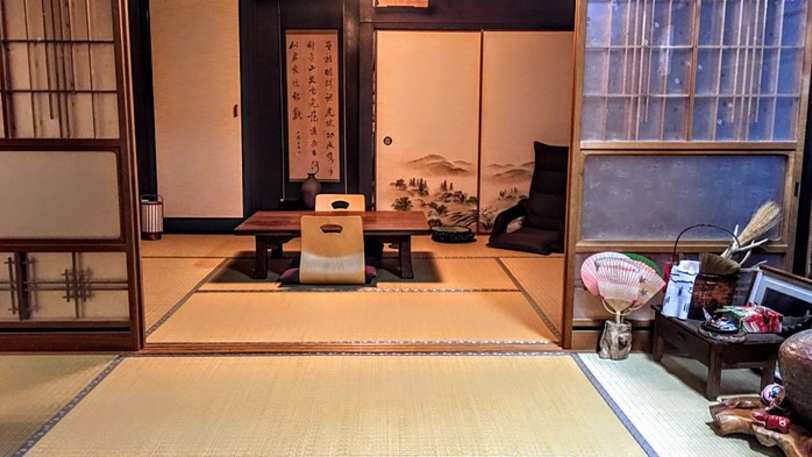
Ryokan: Ryokan are traditional Japanese-style inns. They may be in modern concrete or older wooden buildings, but the rooms are always in the Japanese style with tatami (straw) matting and futons laid out in the evening by the ryokan staff. Evening meals* are served together usually in the dining room and are exquisitely prepared multicourse meals. Many ryokans have both en-suite bathrooms (except for some older buildings) and communal hot spring style baths. They are the classic Japanese experience.
Minshuku: Minshuku are usually family-run traditional Japanese-style inns. They have tatami-mat rooms, with futons laid out in the evening for sleeping. Most minshuku do not have en-suite bathrooms as they are in older traditional wooden buildings. Compared with a ryokan, they are usually (but not always) slightly less formal, but the service and food* are just as good.
At these the inns and Shukubo, futon bedding on tatami mat is provided; toilet and bathing facilities may be shared.
*Most meals will be Japanese cuisine. Vegetarian options are available but limited. Strict vegetarian diets, vegan diets, or gluten free diets will be difficult to accommodate due to the pervasiveness of the fish-based stock dashi and the use of soy sauce and miso in Japanese cuisine. Tips are not required when dining in Japan.

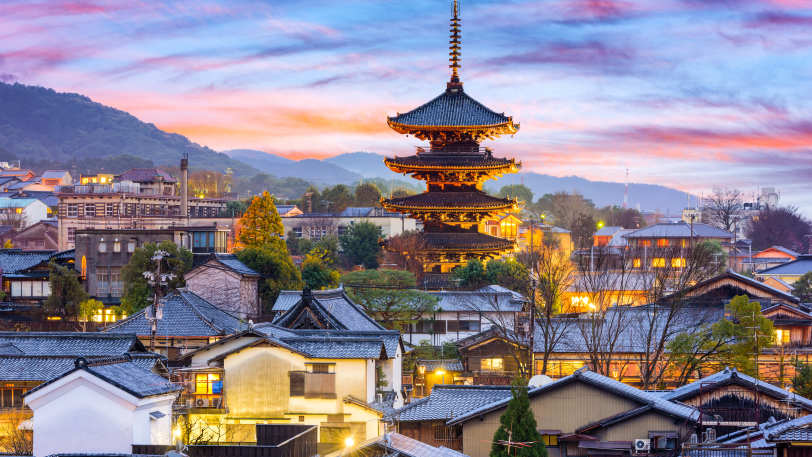
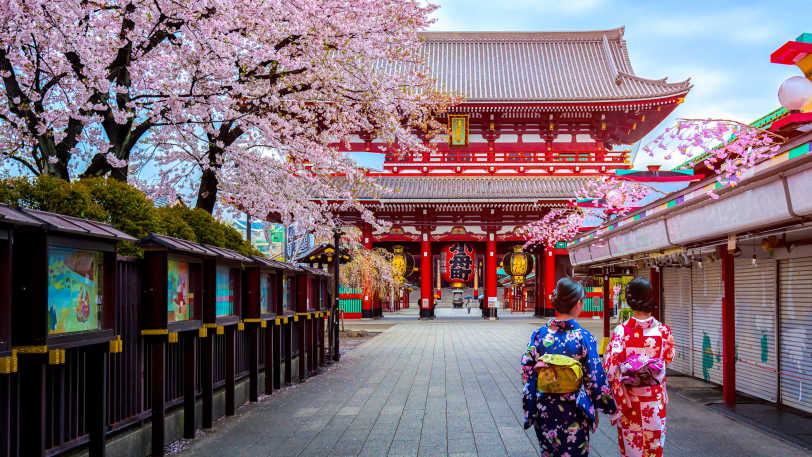
Enjoy a rest day in the incredible city of Kyoto, famous for its Buddhist temples, tranquil gardens, and traditional teahouses. We recommend visiting the historical city of Nara, full of cultural treasures and expansive parks, located approx. 1hr from Kyoto city on the train.

Travel by long distance bus to Tokushima Prefecture (included) where you’ll begin your pilgrimage with a gentle introduction to the walks on Shikoku through quiet neighbourhoods of Tokushima. Visit three of the most eye-catching temples on whole trail – Temple 1 Ryozen-ji, Temple 2 Gokuraku-ji and Temple 3 Konsen-ji. Spend your first night as all pilgrims should – with a stay in a Shukubo Temple Lodging. There is also the option of staying at a traditional Ryokan for this first night.

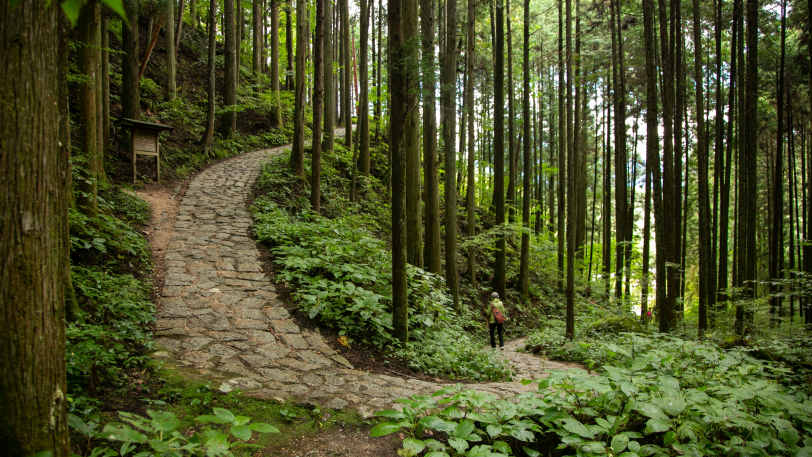
Travel south by pre-booked and pre-paid taxi to Temple 11 Fujii-dera, a fascinating hillside temple complex. After time to explore Fujii-dera, your taxi will bring you to Ryusuian Temple, part-way up the mountain en-route to Shosan-ji. From there you walk up the rest of the mountain to Temple 12 Shosan-ji, then finally descend to the east. The walk is fairly strenuous, but very rewarding with beautiful scenery. Walk onwards to Yorii and board a bus to the small Onsen village of Kamiyama and your inn for the evening.

Travel by pre-paid taxi to one of the most beautiful and varied hikes on the entire Pilgrimage route. From Temple 20 Kakurin-ji the trail descends to the hamlet of Anan, crosses the Nakagawa River and climbs again to Temple 21 Tairyu-ji. End the day with a cable car ride with wonderful views over a cedar forest and the small town below; this is the longest ropeway in Japan with a total length of 2,775m! Travel by bus to your accommodation for the evening.

Leaving Tokushima, you’ll take the train, bus and a pre-booked and prepaid taxi to a rewarding hike in northern Kagawa Prefecture. Walk through lovely scenery and visit a fine collection of temples – Temple 82 Negoro-ji, Temple 81 Shiromine-ji and finally Temple 80 Kokubun-ji. Travel onwards by train for an overnight stay in the old hot-spring town of Kotohira Spa.

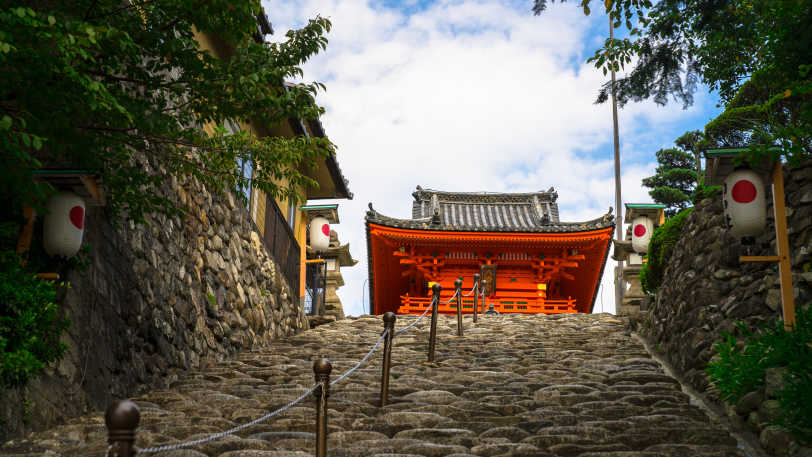
Enjoy a full day at leisure in Kotohira Onsen, one of Shikoku’s most important pilgrimage towns. Climb the stone steps to the revered Konpira Shrine, perched on the slopes of Mount Zōzu, and soak up panoramic views across the surrounding countryside. Refuel with a bowl of the region’s famous handmade udon noodles, renowned throughout Japan for their thick, satisfying texture. You may also wish to visit the beautifully preserved Kanamaruza Kabuki Hall, Japan’s oldest original kabuki theatre, or explore Zentsū-ji Temple (temple 75), the birthplace of Kōbō Daishi, founder of Shingon Buddhism.
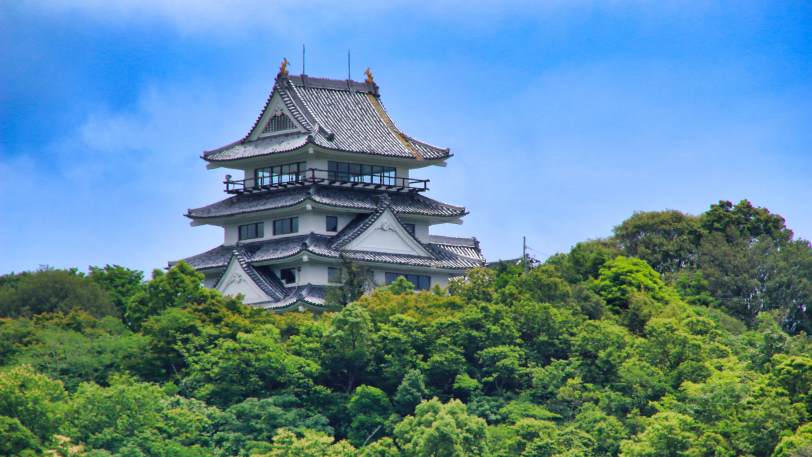
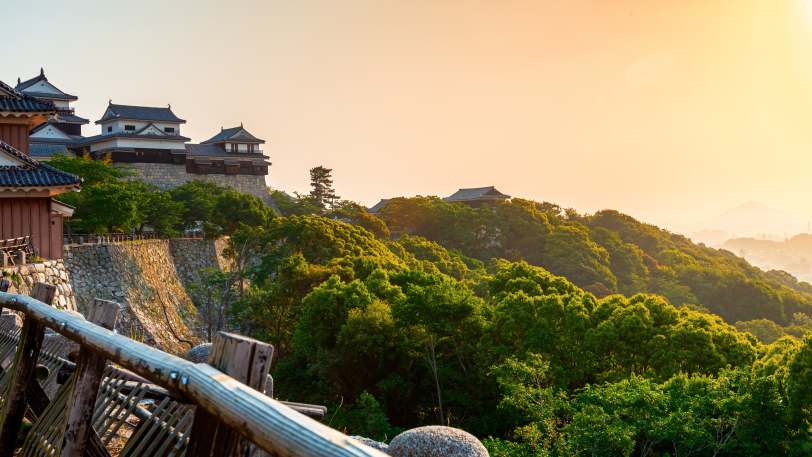
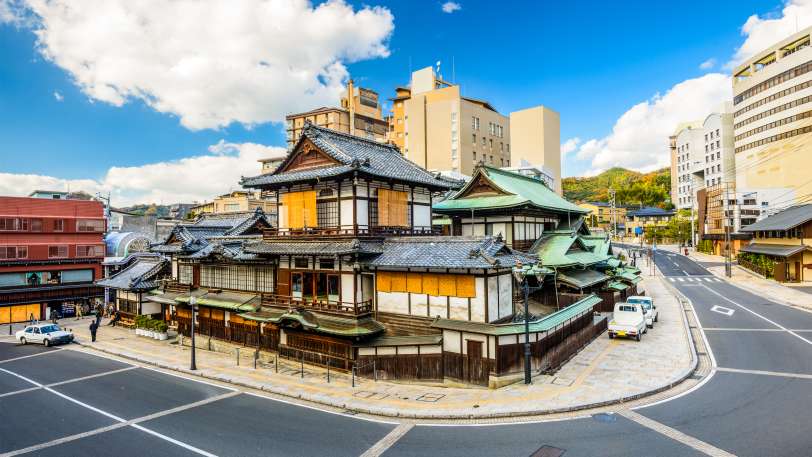
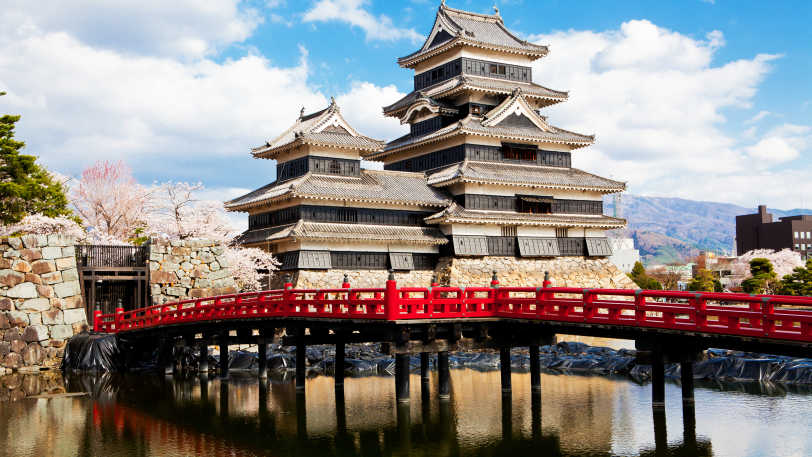
After breakfast, travel to Dōgo Onsen via Matsuyama (you can take your luggage with you at this point and leave it at the hotel, before traveling to Dogo Onsen, or send it forward to Osaka via Takkyubin, payable locally), Japan’s oldest hot spring resort, whose history is said to stretch back more than 3,000 years. On arrival, the rest of the day is yours to explore at leisure. Wander through the atmospheric shopping arcade lined with traditional cafes, restaurants and local shops, visit the iconic Dōgo Onsen bathhouse, or stroll through Dōgo Park beneath the ruins of an ancient castle. For sweeping views across the city, head to nearby Matsuyama Castle. We also recommend a visit to Temple 51, Ishite-ji, one of the most important stops on the Shikoku pilgrimage route, home to several buildings designated as Important Cultural Properties. You then go back to your hotel in Matsuyama via tram.
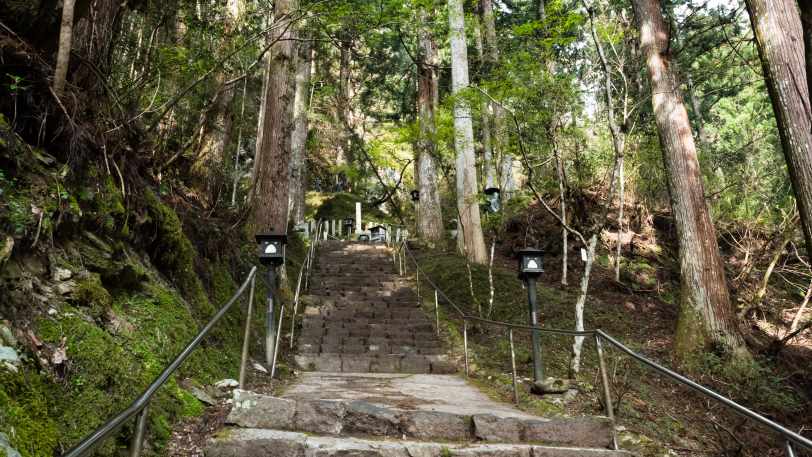
Take a pre-paid taxi from your ryokan to Temple 45 Iwaya-ji, a temple closely linked to Kōbō Daishi – the priest who founded Shingon Buddhism and Mount Koya. Climb the iconic ladder to his meditation spot, with its spectacular views over the surrounding region. From Iwaya-ji, enjoy a lovely forest hike to Temple 44 Daiho-ji before returning by bus to your hotel in Matsuyama.
Your pilgrimage ends with a rewarding hike in the east of Ehime Prefecture. Travel by train and a pre-paid taxi to reach the starting point. Walk to Temple 60 Yokomine-ji, Temple 61 Kōon-ji and onwards to Temple 62 Hoju-ji. The walk passes through a rural area of Shikoku and the temples are in lovely natural settings. After the walk, travel onwards by train to Osaka, arriving mid-evening for your final night of the tour.
Enjoy breakfast at your hotel before taking the train back to Osaka Kansai Int. Airport (approx. 35mins).
20.0
Kg CO₂e
per person, per night
Relative to other Headwater trips
We measure emissions from the parts of the holiday we organise — including accommodation, in-trip transport, meals and activities — and express them as CO₂e per person, per night. Our label doesn’t include your travel to and from the start of the trip. As a Certified B Corp, Headwater is committed to reducing this figure and to positively impacting local communities, the local environment and our staff. Learn more