Self-Guided Walking
Japan: Honshu
Average customer rating 5.0 / 5(1 verified reviews)
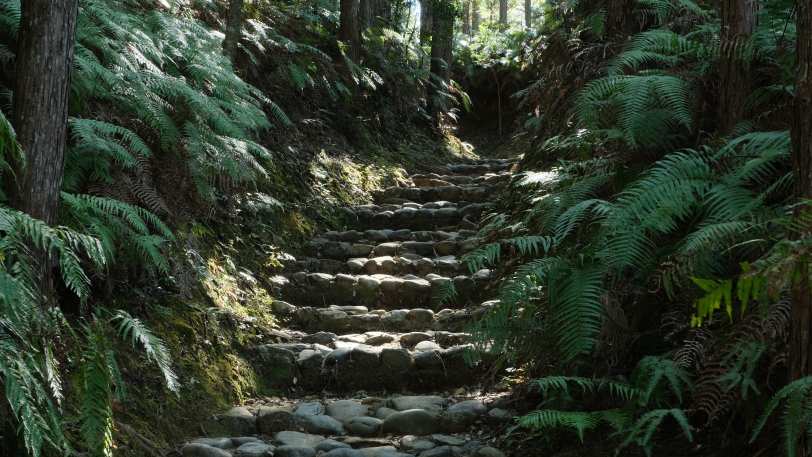
The Nakasendo Trail or ‘Road through the Central Mountains’ was part of Japan’s network of highways. Travellers moving between Kyoto and Tokyo took several days to travel the Nakasendo, staying overnight in Juku post towns. In the seventeenth century, the Nakasendo was crowded with travellers, including feudal lords, samurai, itinerant merchants, and pilgrims. Now largely forgotten and quiet, the road provides a pleasant trail through scenic countryside and the history of Japan.
Our air prices include standard flights and transfers.


Take the express train from Osaka Kansai Int. Airport to Kyoto City (approx. 70mins), then a local taxi to your first hotel. (approx. 10mins).
You stay at Hotels, Ryokans & Minshuku Guesthouses
Hotels: Modern western-style hotels are used. The rooms are generally smaller than equivalent hotels in the West. All have en-suite facilities, air-conditioning, TV, and fridges in rooms.
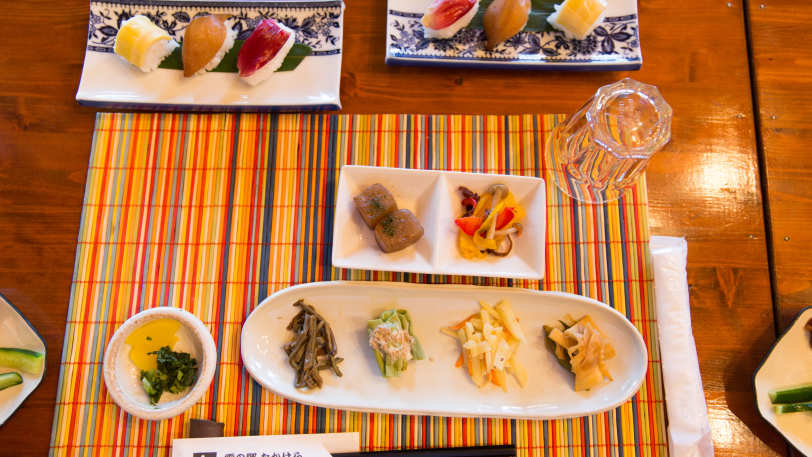
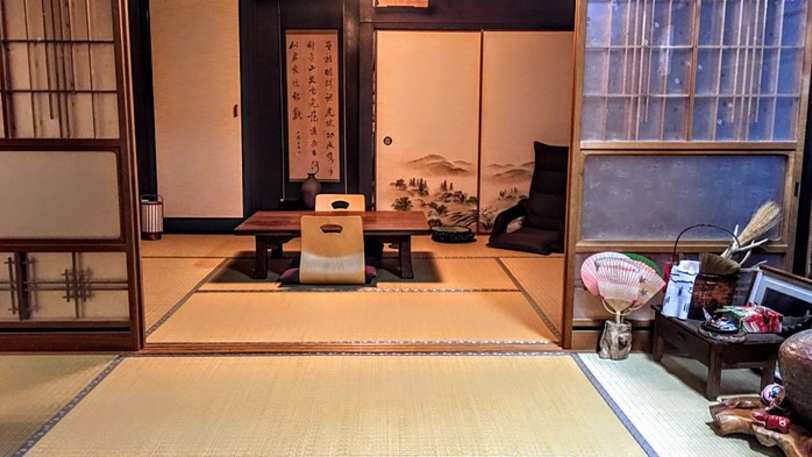
Ryokan: Ryokan are traditional Japanese-style inns. They may be in modern concrete or older wooden buildings, but the rooms are always in the Japanese style with tatami (straw) matting and futons laid out in the evening by the ryokan staff. Evening meals* are served together usually in the dining room and are exquisitely prepared multi course meals. Many ryokans have both en-suite bathrooms (except for some older buildings) and communal hot spring style baths. They are the classic Japanese experience.
Minshuku: Minshuku are usually family-run traditional Japanese-style inns. They have tatami-mat rooms, with futons laid out in the evening for sleeping. Most minshuku do not have en-suite bathrooms as they are in older traditional wooden buildings. Compared with a ryokan, they are usually (but not always) slightly less formal, but the service and food* are just as good.
At these the inns and Shukubo, futon bedding on tatami mat is provided; toilet and bathing facilities may be shared.
*Most meals will be Japanese cuisine. Vegetarian options are available but limited. Strict vegetarian diets, vegan diets, or gluten free diets will be difficult to accommodate due to the pervasiveness of the fish-based stock dashi and the use of soy sauce and miso in Japanese cuisine. Tips are not required when dining in Japan.

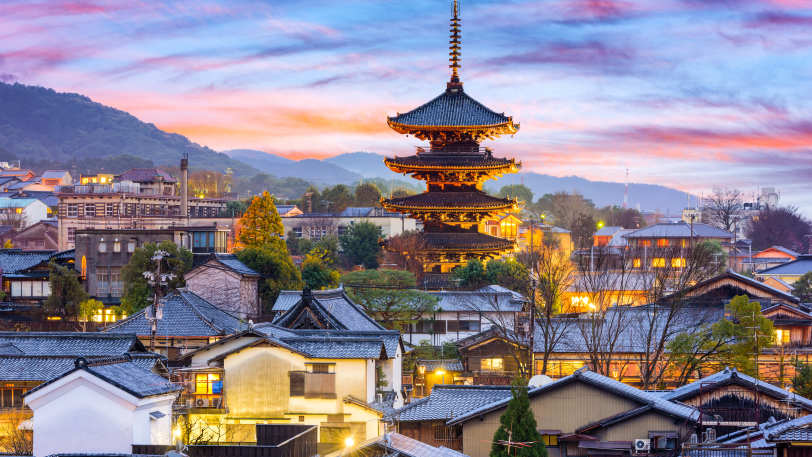
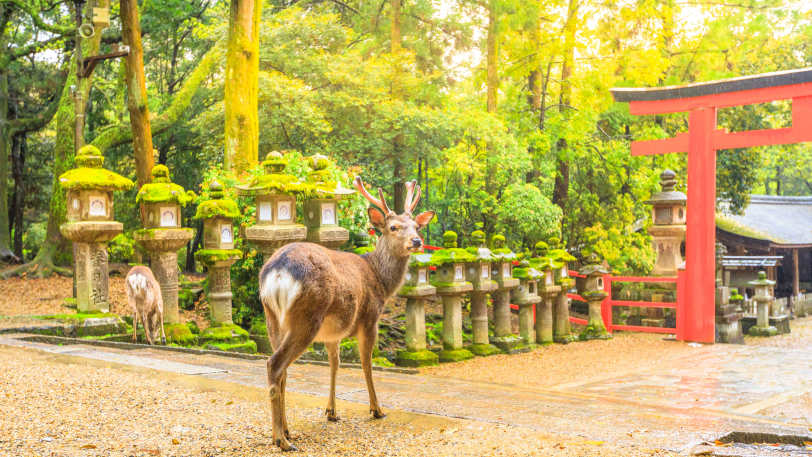
Enjoy a rest day in the incredible city of Kyoto, famous for its Buddhist temples, tranquil gardens, and traditional teahouses. We recommend visiting the historical city of Nara, full of cultural treasures and expansive parks, located approx. 1hr from Kyoto city on the train.

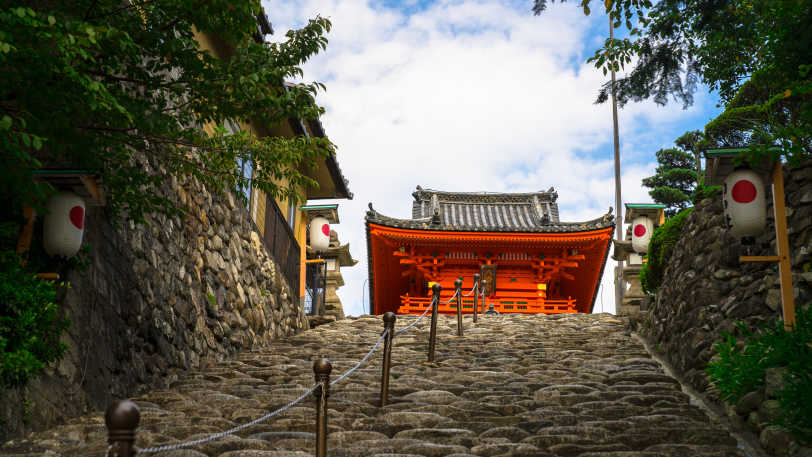
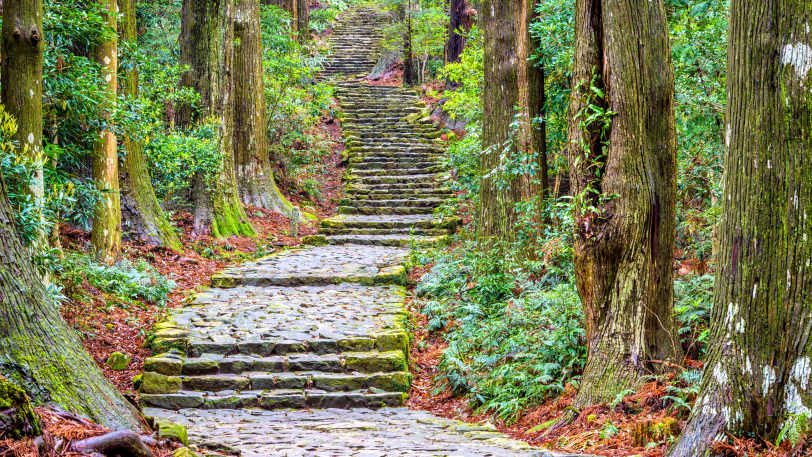
Take the train to the hills of northern Kyoto (included), on sacred Mount Kurama. Here, Samurai trained with mountain Buddhist practitioners in the 12th century. From Kurama Temple, walk to the Kifune Shrine, which is known for bringing good fortune to those seeking luck in love. The walk begins with a steep and long ascent up stone steps to the Kurama Temple. Stop to take in the beautiful scenery and spend some time at the shrines and smaller temples along the way. Return by local train to Kyoto (included). The remainder of your day is free for you to explore Kyoto.

Begin with a train journey from Kyoto to Nakatsugawa, including a ride on the world-famous Shinkansen (Bullet Train) to Nagoya (included). At Nakatsugawa, you board a local bus for the short journey to Magome. When you alight from the bus at Magome, a taxi driver will be waiting to pick up your luggage to be delivered to your accommodation before dinner.
Walk over Magome Pass to Tsumago, one of the best preserved and most evocative of the Nakasendo post towns. Spend the night at a family-run Minshuku in Tsumago or the nearby hamlet of O-Tsumago, with a delicious home-cooked Japanese dinner and breakfast included.

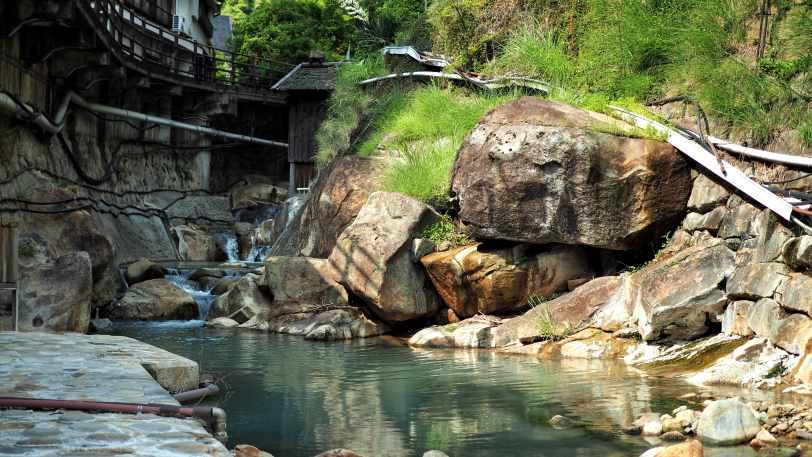
Today is your longest day on the trail and is a beautiful and varied hike from Tsumago or Nagiso to Nojiri. The trail travels through small valleys and past forests of bamboo and Japanese cedar, through some of the least-developed scenery on the tour. Continue by train to Kiso-Fukushima (included). Stay at a lovely hot-spring Ryokan set in a peaceful valley above the town. Complimentary transfer from the station is provided by the Ryokan if you’re staying outside of the village (availability is on request).

Today is a leisurely day spent in in Kiso-Fukushima. You will be able to explore the explore the country roads around the town and browse the
lacquerware shops, or is an ideal day to take the optional waterfall walk, which usually takes 2 to 3 hours(7km / 4.3 miles with 632m / 2,075 feet of ascent, 637m / 2,090 feet of descent) and we recommend for it to be taken in the morning, before heading onwards to Yabuhara.

The Ryokan will drive you back to Kiso-Fukushima after breakfast if you’re staying outside the village. From here, you take the train to Yabuhara (included) which is the starting point for your walk over the Torii pass to Narai. Explore this atmospheric village before you continue on today’s journey to the small town of Kiso-Hirasawa, famous for its lacquerware. There are many small shops selling beautifully crafted tableware and furniture. From Kiso-Hirasawa, take the train to the castle town of Matsumoto for your overnight stay. Your hosts will serve a home-cooked Japanese dinner and breakfast.

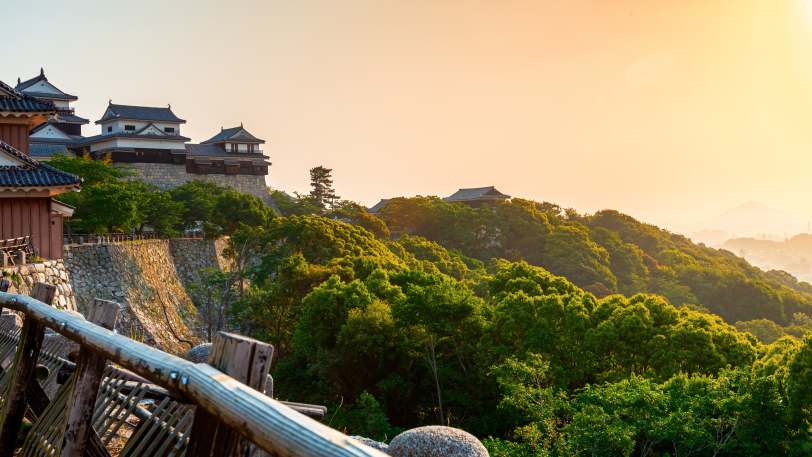
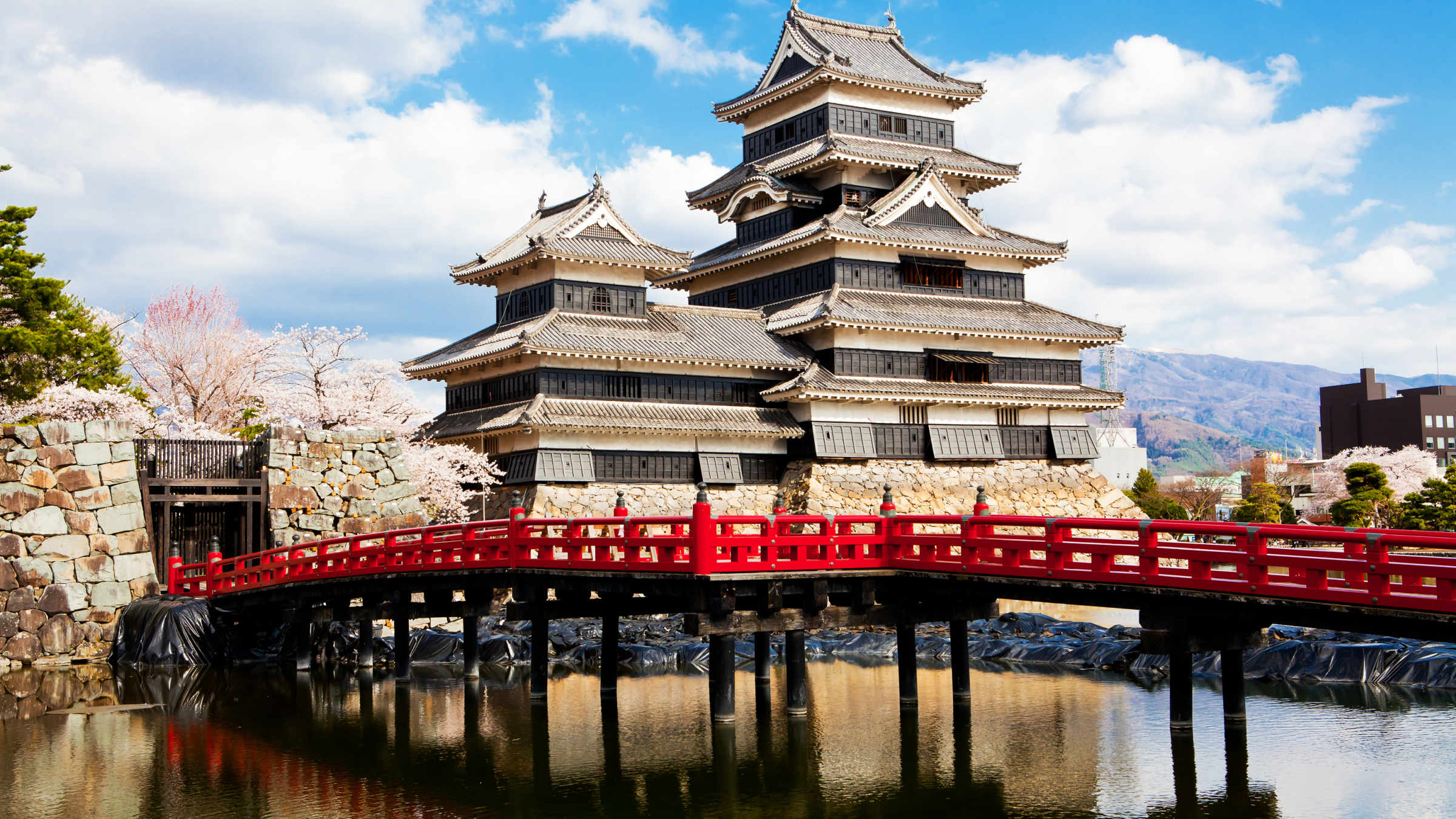
After breakfast, you will have free time to explore the castle town of Matsumoto. This historic town is home to the iconic artist Yayoi Kusama and the largest collection of Ukiyo-e wood blocks. With many things to see and do Matsumoto is a destination in and of itself. Be sure to visit the well-preserved Matsumoto Castle also known as the ‘Black Crow Castle’. You can enter the castle and enjoy the unique architecture, hidden nooks, and panoramic views of the castle town. This afternoon head onward to Karuizawa where you will stay this evening and enjoy a natural hot spring baths before your final walk to Yokokawa.
Your included luggage transfer ends here. To continue the service from Matsumoto to Tokyo, you can arrange this locally with your inn in the morning who will liaise with the long distance courier Takkyubin; this is paid for locally (approx. £16 per bag/20kg). Using this service, you will be without your luggage from the morning of day 8, until the evening of day 9.

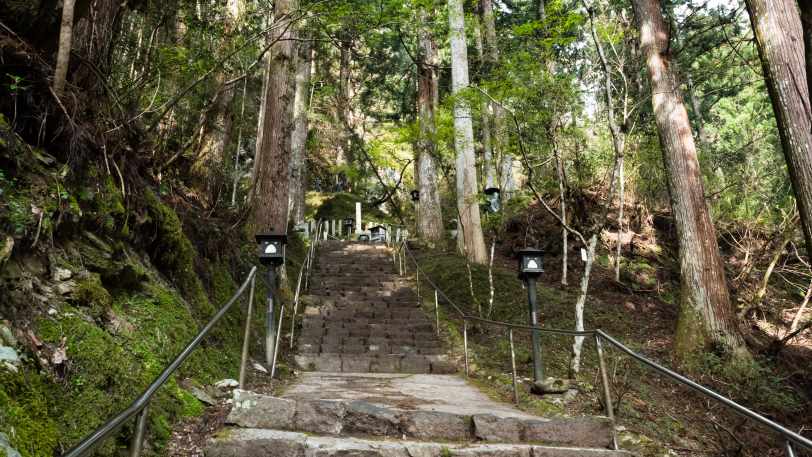
After breakfast, your final walk on the Nakasendo Trail is from Karuizawa to Yokokawa. Leaving Karuizawa, the trail takes you over the Usui-toge Pass and down a gentle descent along one of the most beautiful sections of the Nakasendo, and certainly the least-developed. From Yokokawa, take the local train to Takasaki and change there for your ride on the Shinkansen bullet train to Tokyo (approx. 3 hours – included).
You have a full day in Tokyo to explore this vibrant city. Visit the glittering Ginza area with elegant department stores and food halls crammed with all kinds of unfamiliar delicacies. Or spend time among the skyscrapers of Shinjuku and pass-through Shinjuku station, the busiest transport hub in the world. Eat and drink in one of the myriad small bars and restaurants which cluster around most railway stations or splash out on an elegant meal in an upscale restaurant. We recommend visiting the grand Sumiyoshi Shrine, an easy 10-minute ride on the Nankai railway from Namba station. The shrine grounds have beautiful nature such as sacred trees over a thousand years old, and the main shrine buildings feature the ancient Sumiyoshi-zukuri style of architecture which pre-dates the arrival of Buddhism to Japan.

Enjoy breakfast at your hotel before walking to Hamamatsucho station (approx. 10mins) to take the monorail directly to Tokyo Haneda Airport (approx. 15mins – paid locally).
14.0
Kg CO₂e
per person, per night
Relative to other Headwater trips
We measure emissions from the parts of the holiday we organise — including accommodation, in-trip transport, meals and activities — and express them as CO₂e per person, per night. Our label doesn’t include your travel to and from the start of the trip. As a Certified B Corp, Headwater is committed to reducing this figure and to positively impacting local communities, the local environment and our staff. Learn more