Self-Guided Walking
Japan: Kansai
Average customer rating 5.0 / 5(4 verified reviews)
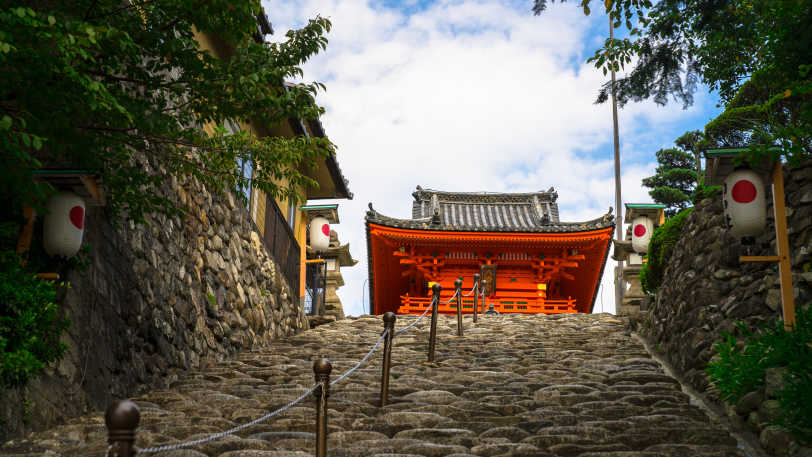
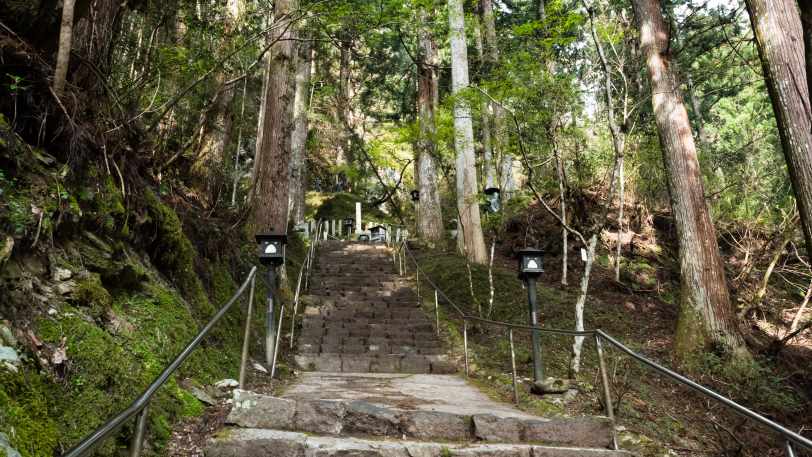
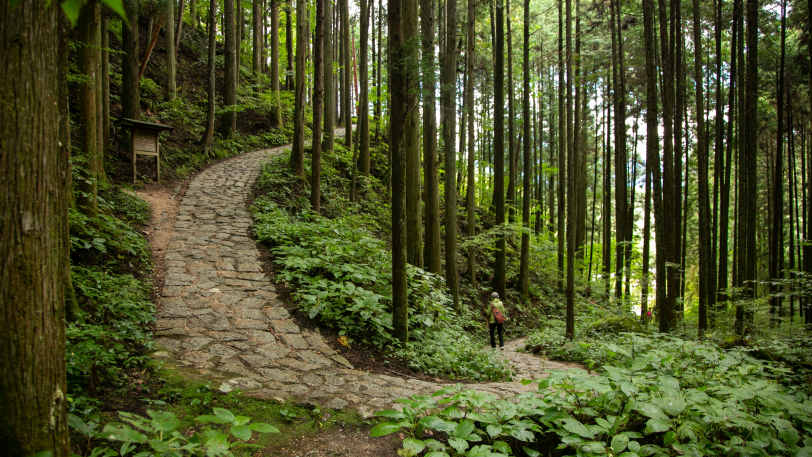
Embark on an incredibly rewarding hike through the Kii Peninsula Mountains along an ancient pilgrimage trail known as Kumano Kodo. The ‘Kodo’ (old ways) are a key part of the region’s World Heritage destination and have been in use for 1,000 years. The pilgrimage routes were developed as a way for people to move between the sacred areas on the Kii Peninsula. At the centre of this religious area are the three Kumano shrines: Hongu Taisha, Hayatama Taisha and Nachi Taisha, collectively known as Kumano Sanzan.
Our air prices include standard flights and transfers.


Take the express train from Osaka Kansai Int. Airport to Kyoto City (approx. 70mins), then a local taxi to your first hotel. (approx. 10mins).
You stay at Hotels, Ryokans & Minshuku Guesthouses
Hotels: Modern western-style hotels are used. The rooms are generally smaller than equivalent hotels in the West. All have en-suite facilities, air-conditioning, TV, and fridges in rooms.
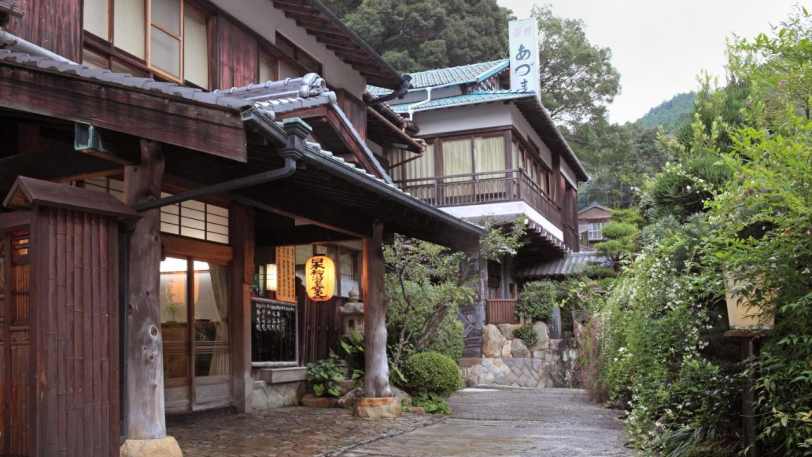
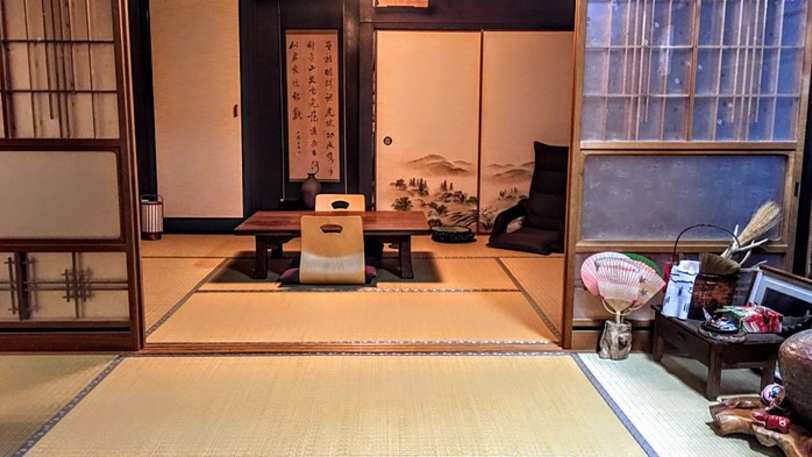
Ryokan: Ryokan are traditional Japanese-style inns. They may be in modern concrete or older wooden buildings, but the rooms are always in the Japanese style with tatami (straw) matting and futons laid out in the evening by the ryokan staff. Evening meals* are served together usually in the dining room and are exquisitely prepared multi course meals. Many ryokans have both en-suite bathrooms (except for some older buildings) and communal hot spring style baths. They are the classic Japanese experience.
Minshuku: Minshuku are usually family-run traditional Japanese-style inns. They have tatami-mat rooms, with futons laid out in the evening for sleeping. Most minshuku do not have en-suite bathrooms as they are in older traditional wooden buildings. Compared with a ryokan, they are usually (but not always) slightly less formal, but the service and food* are just as good.
At these the inns and Shukubo, futon bedding on tatami mat is provided; toilet and bathing facilities may be shared.
*Most meals will be Japanese cuisine. Vegetarian options are available but limited. Strict vegetarian diets, vegan diets, or gluten free diets will be difficult to accommodate due to the pervasiveness of the fish-based stock dashi and the use of soy sauce and miso in Japanese cuisine. Tips are not required when dining in Japan.

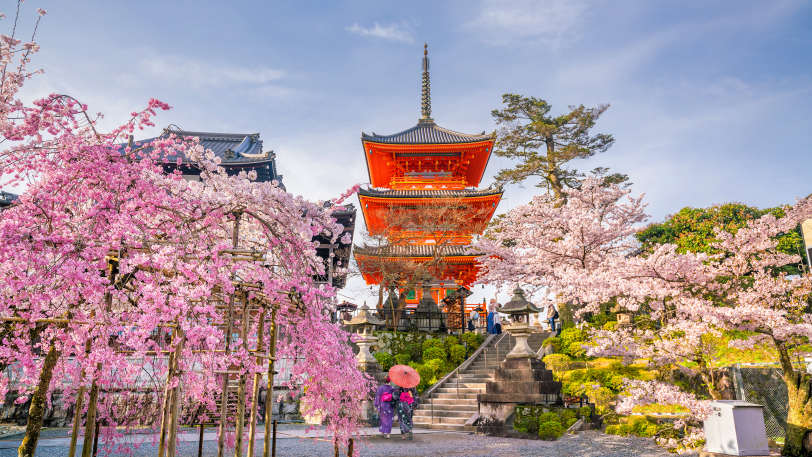
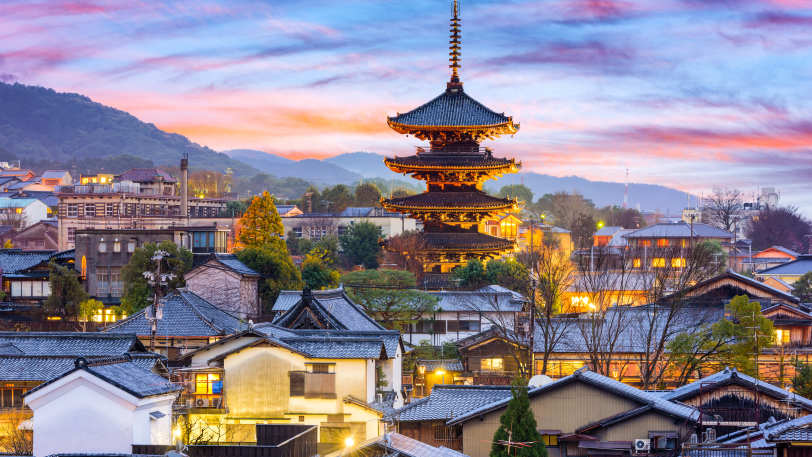
Enjoy a rest day in the incredible city of Kyoto, famous for its Buddhist temples, tranquil gardens, and traditional teahouses. We recommend visiting the historical city of Nara, full of cultural treasures and expansive parks, located approx. 1hr from Kyoto city on the train.

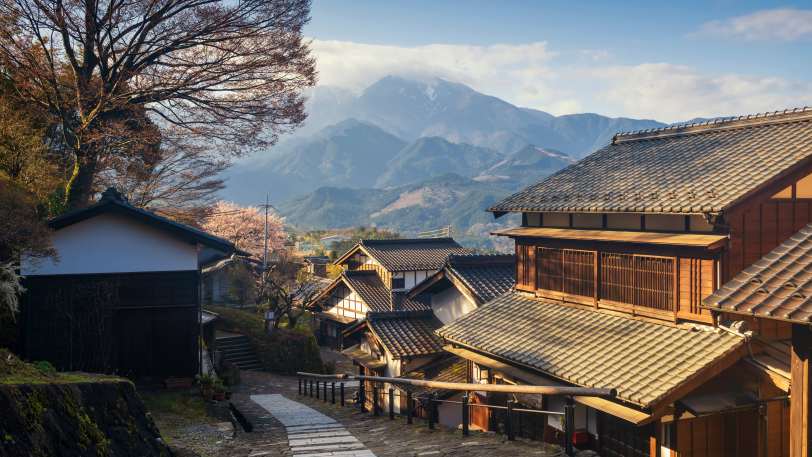
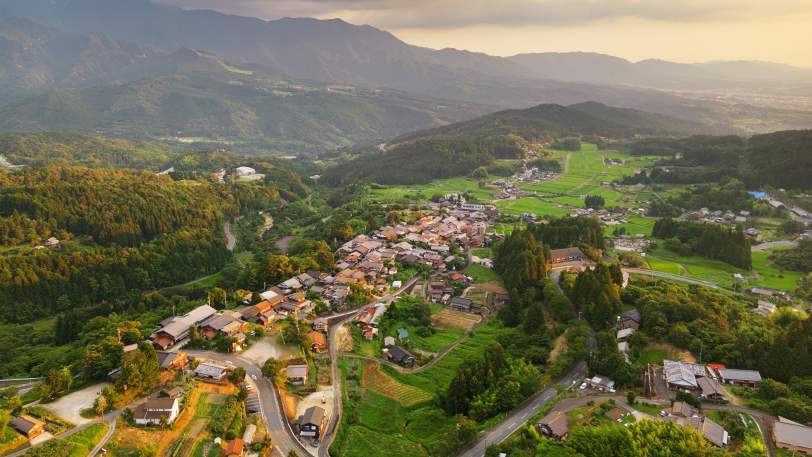
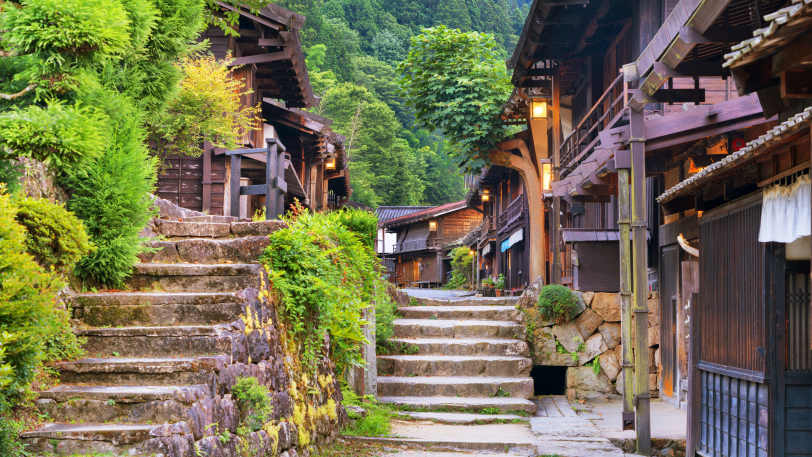
Your day begins by taking the train to Kii-Tanabe (included) then the bus to Takijiri (paid locally – total travel time approx. 3hrs 30mins); this is the gateway to the historic Kumano Kodo Trail and where you will leave your luggage to start your walking journey. You’ll walk the Nakahechi portion of the Kumnao Kodo pilgrimage route, climbing steadily from Takijiri to the ridge-top village of Takahara.
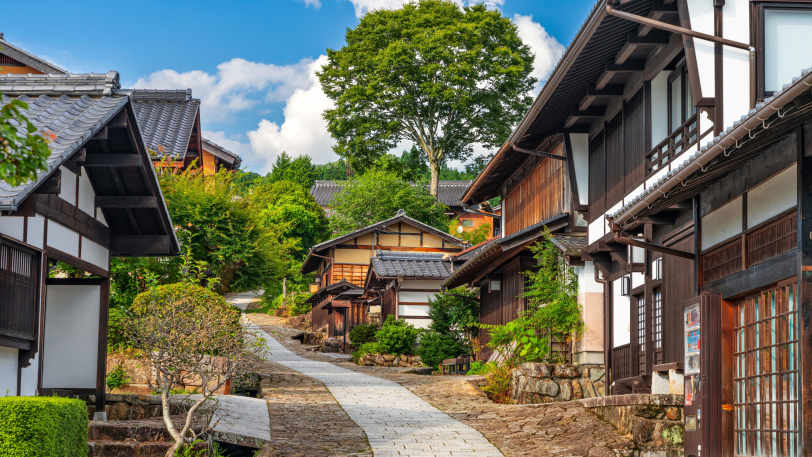
Tonight, you’ll stay in a small, Japanese style hotel in the tiny village of Takahara or in a Japanese Minshuku in the nearby village of Kurisugawa.

After your traditional Japanese breakfast, leave your inn following the trail as it winds through small settlements and peaceful countryside. You’ll pass several Oji shrines before finally descending to the village of Chikatsuyu.

From Chikatsuyu, the trail continues through the mountains to Hongu. The trail passes through small villages and forest trails over the Kii Mountains to the Kumano shrine at Hongu, one of the three ‘Grand Shines of Kumano’. At the heart of these sacred mountains, Kumano was said to be the entrance to the land of Yomi, the ‘other world’ which spirits travelled to in Japanese mythology. From the Kumano shrine at Hongu, a short bus ride brings you to Yunomine Onsen, one of the oldest natural hot-spring villages in Japan, or to Kawayu Onsen famous for the thermal water bubbling to the surface of the crystal-clear river. Enjoy a relaxing soak in a Japanese bath before or after your delicious dinner.

A day at leisure in picturesque Yunomine Onsen (or Kawayu Onsen, depending on availability) or enjoy a walk on either the Dainichi-goe or Akagi-goe sections of the trail. From Yunomine Onsen you can visit the other nearby hot-spring villages of Watarase or Kawayu a couple of miles away.

Take time to explore the atmospheric village where you spent the night, before undertaking one of two possible hiking options; ascend the Kogumotorigoe path towards Koguchi or undertake another section close to Hongu, with excellent valley views. The first option begins with a short bus ride to Ukegawa on the banks of the Kumano River. From Ukegawa, you start on the Kogumotorigoe path, which heads up to the Kogumotorigoe Pass before descending to the remote village of Koguchi.

The final section of the trail takes you from Koguchi up to the Ogumotorigoe Pass with a glimpse of the Pacific Ocean. It then descends to Nachi-san, the location of Nachi Taisha Grand Shrine, one of the three Grand Shrines of Kumano and Nachi-taki waterfall. Stay overnight either in the small village of Nachi-san close to the shrine or take a local bus for the twenty-minute ride to the port town of Kii-Katsuura with wonderful views over the island-studded bay.

Kii-Katsuura is an active fishing port and has a lively early-morning fish market. Enjoy the views out over the island-studded bay. There are intriguing backstreets and a traditional covered shopping arcade to explore, too. It is also possible to visit Hayatama Shrine, one of the three grand Shrines of Kumano. Take the train to Osaka, winding around the Kii Peninsula (approx. 4hrs – included), then a local taxi to your hotel (approx. 10mins).

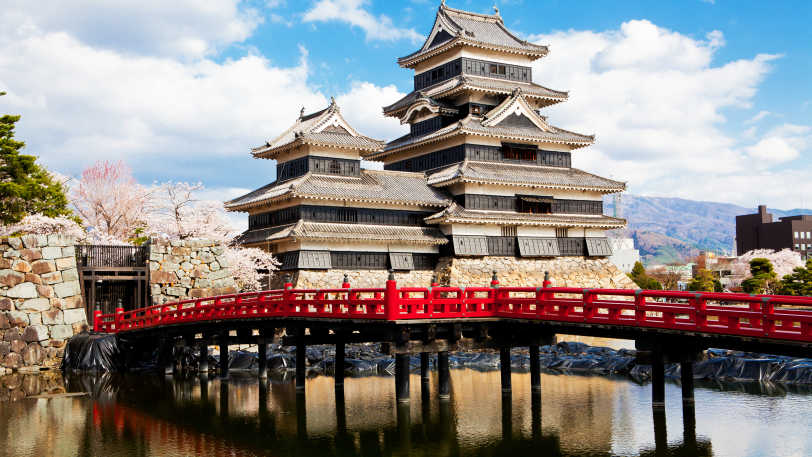
Known as the food capital of western Japan, Osaka gets its title in part from the fantastic Dotonbori area in the south of the city. Countless restaurants line the Dotonbori-gawa River offering dinner with views. The city is home to Osaka-jo – a symbolic castle, re-built to its grand size after repeated fires.
We recommend visiting the grand Sumiyoshi Shrine, an easy 10-minute ride on the Nankai railway from Namba station. The shrine grounds have beautiful nature such as sacred trees over a thousand years old, and the main shrine buildings feature the ancient Sumiyoshi-zukuri style of architecture which pre-dates the arrival of Buddhism to Japan.

Enjoy breakfast at your hotel before taking the train back to Osaka Kansai Int. Airport (approx. 35mins).
19.0
Kg CO₂e
per person, per night
Relative to other Headwater trips
We measure emissions from the parts of the holiday we organise — including accommodation, in-trip transport, meals and activities — and express them as CO₂e per person, per night. Our label doesn’t include your travel to and from the start of the trip. As a Certified B Corp, Headwater is committed to reducing this figure and to positively impacting local communities, the local environment and our staff. Learn more