
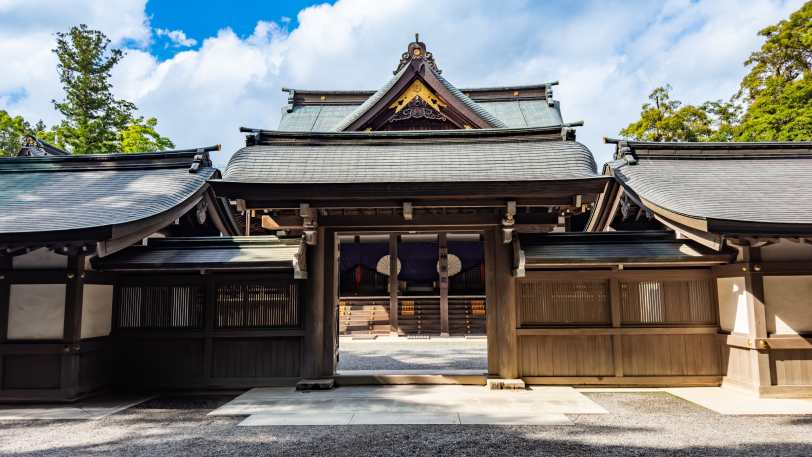
Self-Guided Pilgrimage
Japan: Pilgrimage Shikoku
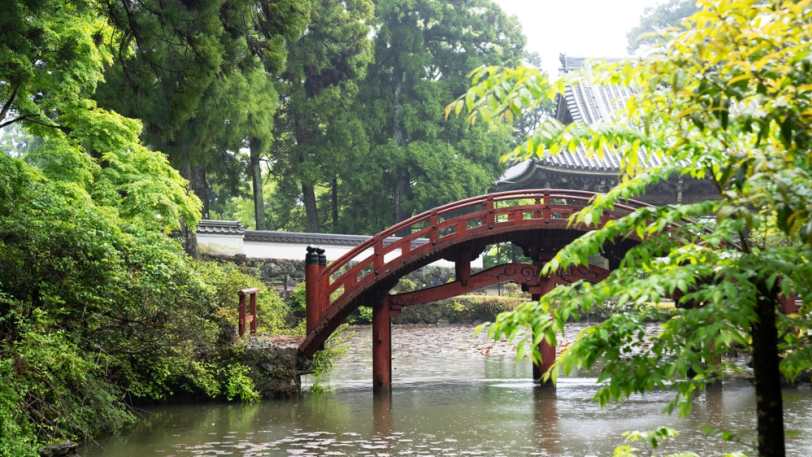
Shikoku, the smallest of Japan’s four main islands, was only connected to Honshu in 1988. For centuries before that, pilgrims crossed by boat to complete the Shikoku 88 Temple Pilgrimage, a sacred route founded over 1, 200 years ago by the revered monk Kukai.
Our travel specialists can arrange flights, rail and transfers to this holiday from wherever you are. Call us to plan your journey. +44 1606 720099
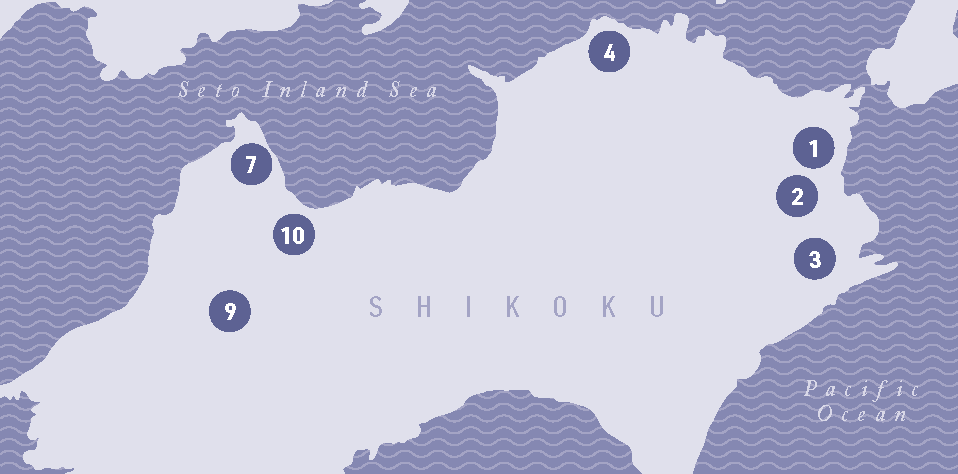

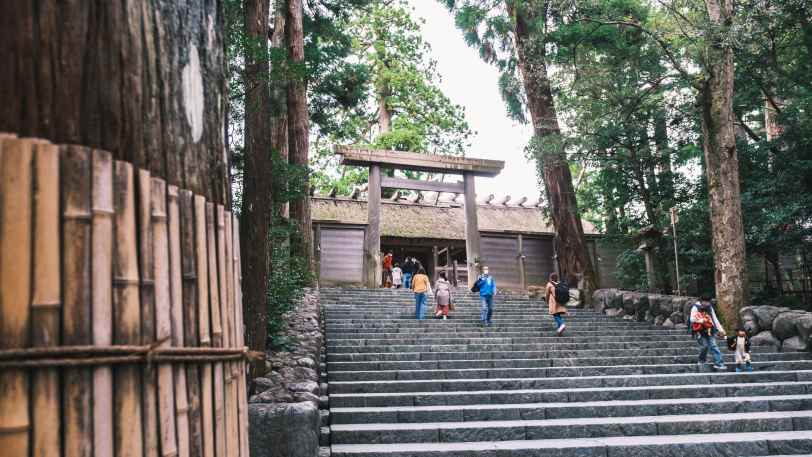
Travel from Kyoto or Osaka to Tokushima Prefecture by long-distance bus, where your Shikoku pilgrimage begins. Ease into the journey with a visit to three of the trail’s most striking temples: Ryozen-ji (Temple 1), Gokuraku-ji (Temple 2), and Konsen-ji (Temple 3), each steeped in centuries of spiritual tradition. There is an optional walk to reach Juraku-ji(Temple 7), extending your day walk of 3km. End your first day as pilgrims have for generations, with an authentic temple stay (shukubo), experiencing the tranquillity and hospitality of monastic life.
Please consider adding a night in either Kyoto or Osaka before your Pilgrimage starts, to allow us to deliver your documentation to you and to be ready for your travel.

Continue your Shikoku Pilgrimage southwards with a short taxi ride from your temple lodging to Fujii-dera (Temple 11). From here, follow a challenging but rewarding hike to Shosan-ji (Temple 12), one of the longest and most scenic walks of the journey. Those wishing to avoid the steep initial ascent to Mount Shosan-ji can take a local taxi. After the hike, walk to Yorii and take a bus to the onsen village of Kamiyama, where you will spend the night relaxing in the hot springs.

After a short taxi ride, begin one of the most scenic sections of the Shikoku Pilgrimage. Hike from Kakurin-ji (Temple 20) down to the village of Anan, cross the Naka River, then ascend to Tairyu-ji (Temple 21). End the day with a cable car ride offering panoramic views over cedar forests and the town below, before taking a bus to your accommodation for the night.

Depart Tokushima and travel by bus, payable locally, then taxi to begin a rewarding hike in northern Kagawa Prefecture. Walk through beautiful countryside and visit three notable temples: Negoro-ji (Temple 82), Shiromine-ji (Temple 81) and Kokubun-ji (Temple 80), each offering a glimpse into Shikoku’s spiritual heritage. Continue by train to the historic hot spring town of Kotohira Onsen for an overnight stay.

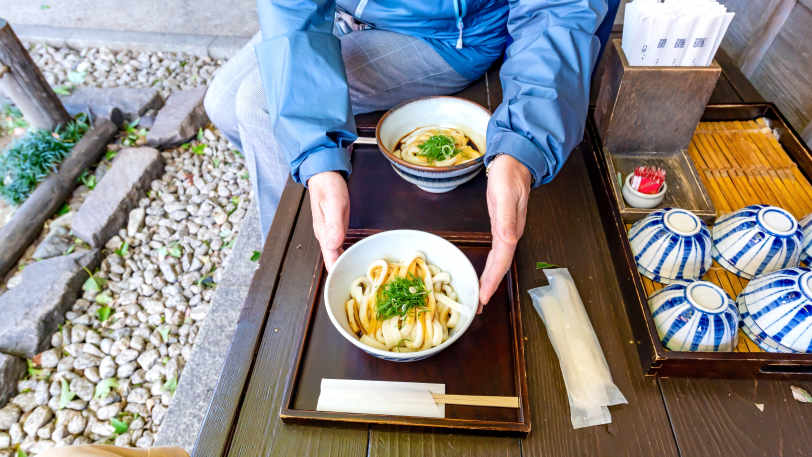
Spend a full day exploring Kotohira Onsen. Visit Konpira-dai-gongen Shrine, perched halfway up Mount Zozu at 521 metres and sample the town’s famous handmade thick udon noodles. You may also explore the historic Konpira Grand Theatre (Kanamaruza Kabuki Hall), Japan’s oldest original kabuki theatre, and visit Zentsu-ji (Temple 75), the birthplace of Kobo Daishi, founder of Shingon Buddhism. You will stay overnight in Kotohira Onsen.
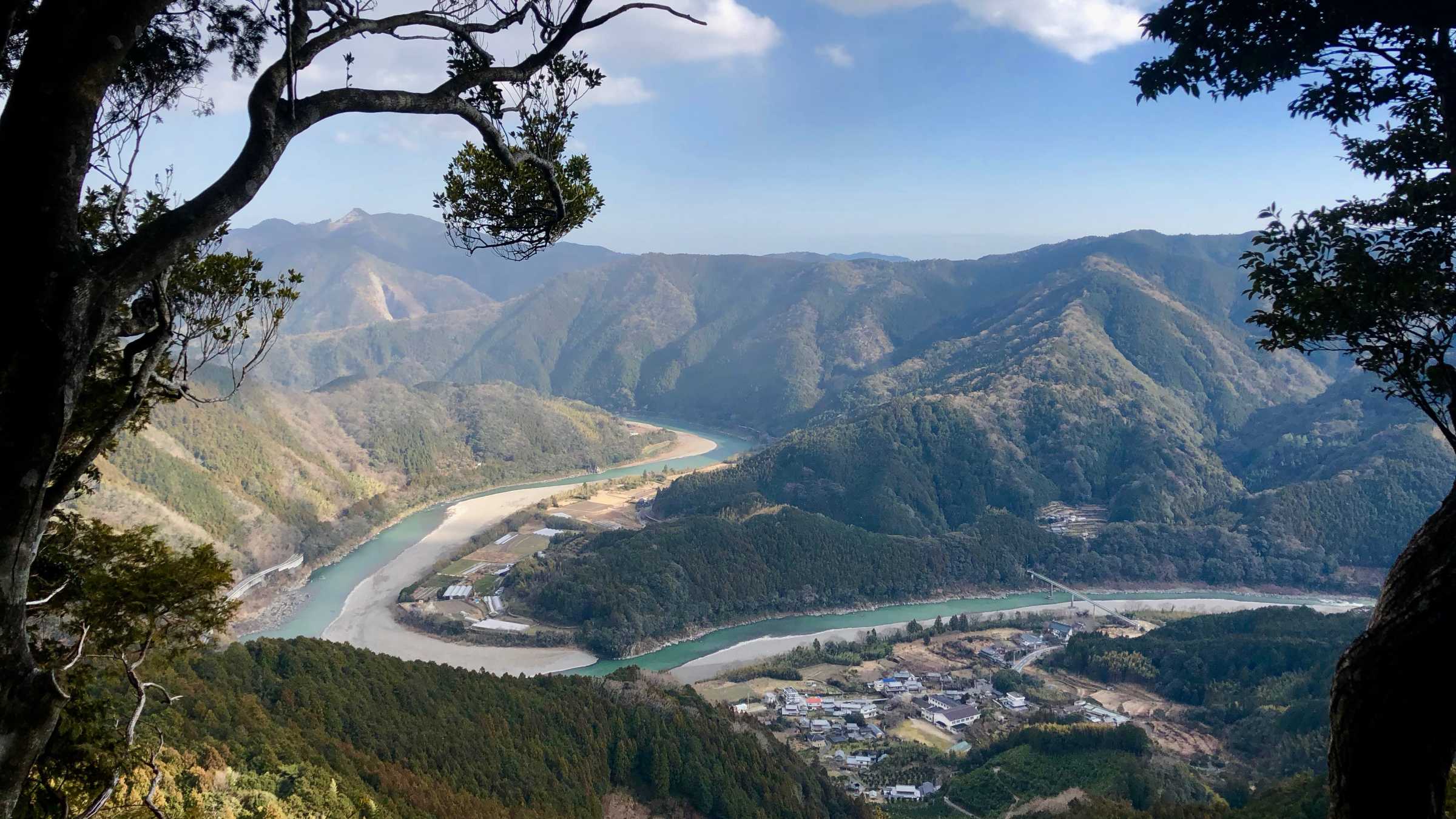
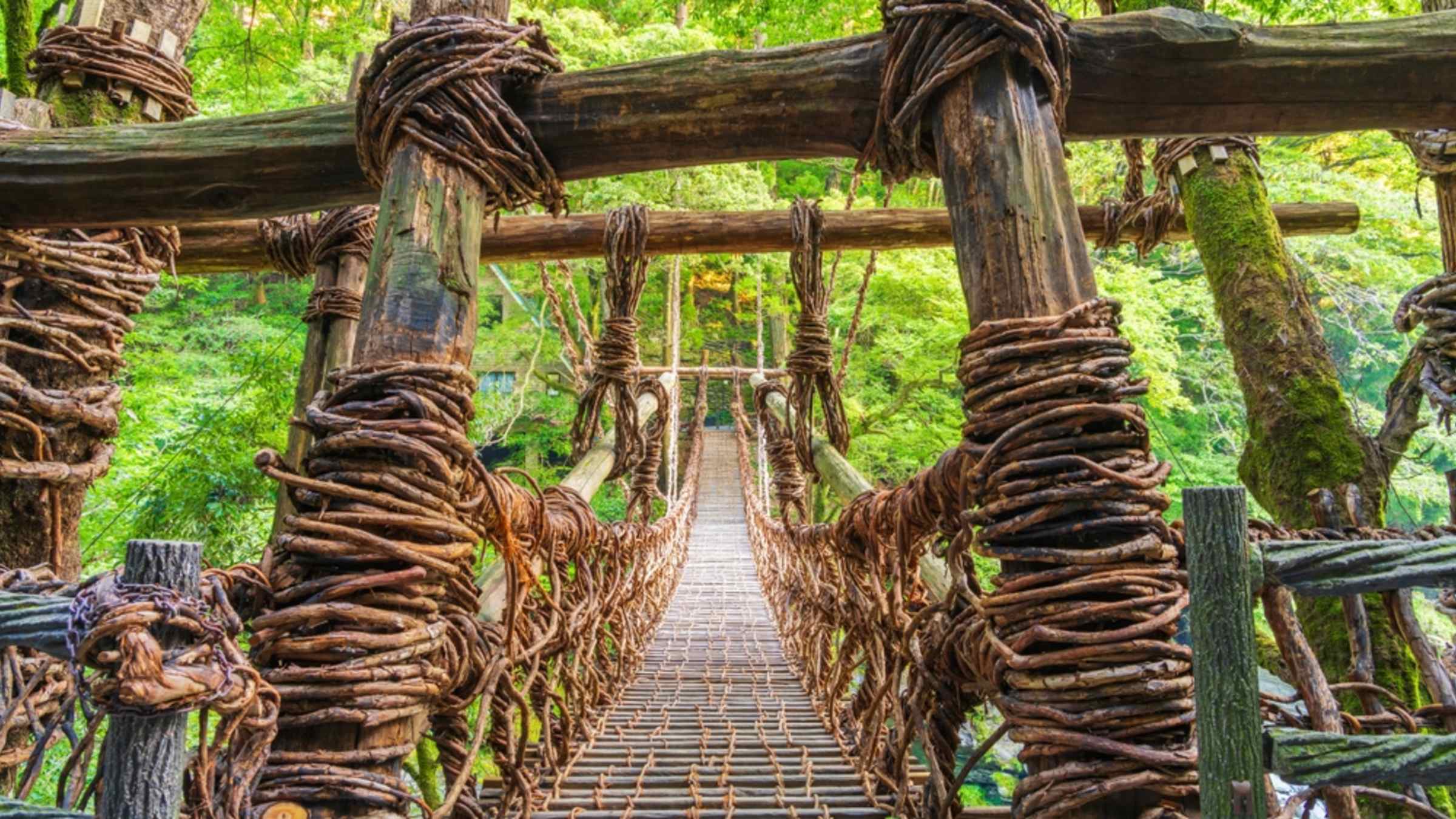
Travel from Kotohira Onsen by train and bus to the remote Iya Valley, nestled deep in the mountains of Tokushima. Along the way, visit the iconic kazurabashi suspension bridge, a vine bridge steeped in legend and said to have been placed by Kobo Daishi himself. Spend the evening relaxing at a charming hot spring inn in the valley.
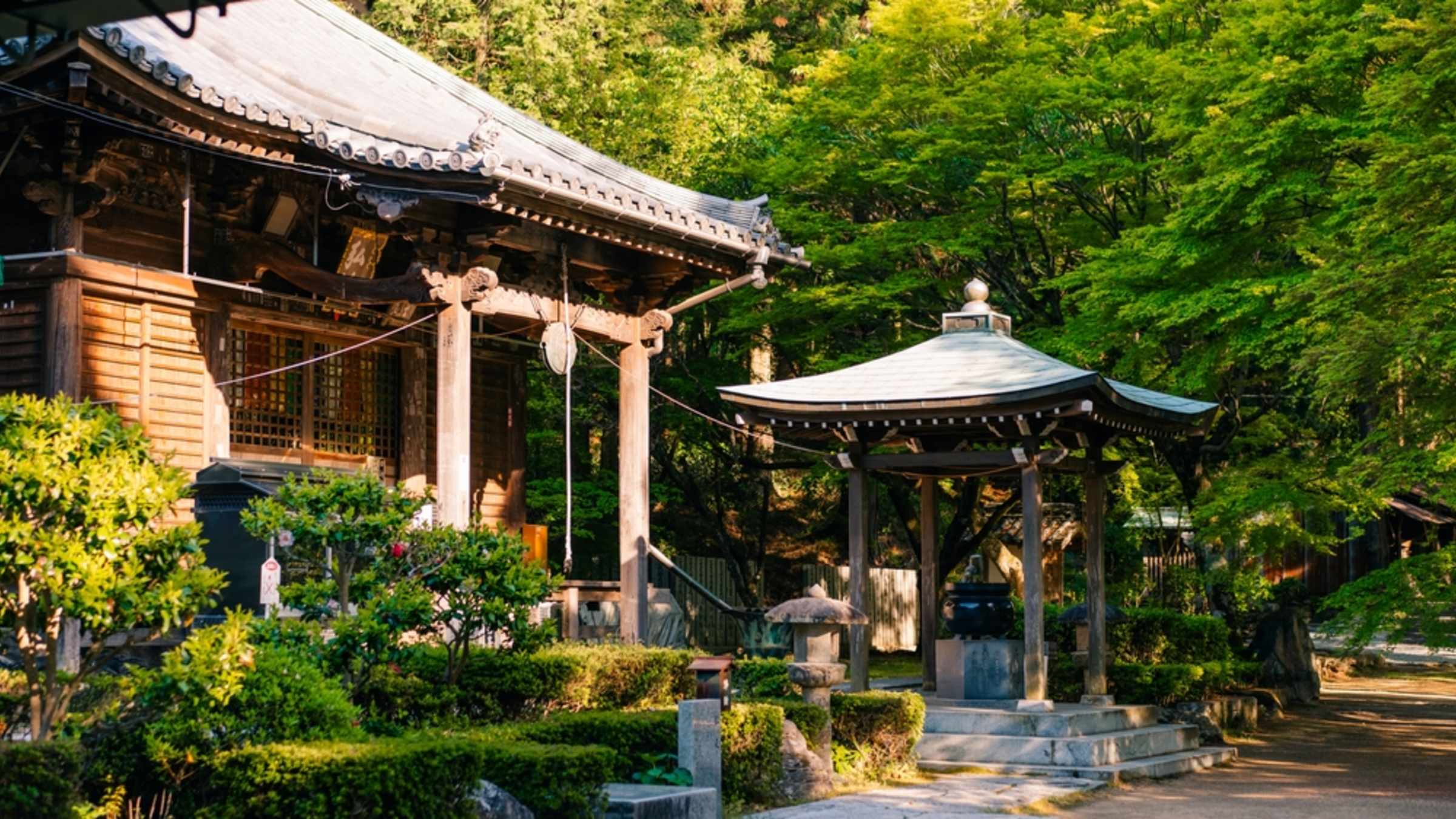
After a scenic train journey to Imabari in northern Ehime, your temple hike begins at Eifuku-ji (Temple 57) on the Shikoku Pilgrimage. Leaving behind the urban landscape, you’ll wander through rural farming communities before entering the tranquil forest. From here, a gentle climb leads you to Senyu-ji (Temple 58), surrounded by serene mountain scenery. If you have time and energy, you can also choose an optional detour to Taisan-ji (Temple 56), adding an extra layer of adventure and spiritual depth to your day’s journey.

Today’s hike begins with a gentle descent from Senyu-ji Temple, winding through mountain paths and passing small countryside villages. You will make your way back to Imabari, with the option to continue along a scenic paved trail to Iyo Kokubun-ji (Temple 59). From there, the journey continues towards Matsuyama, where your overnight stay awaits in the historic hot spring town of Dogo Onsen. Take time to relax in the famous Dogo Onsen bathhouse, one of Japan’s oldest, and sample the region’s celebrated mikan oranges. You can also explore the picturesque hillside grounds of Matsuyama Castle or visit Ishite-ji (Temple 51), a site steeped in legend and the location of your overnight accommodation.
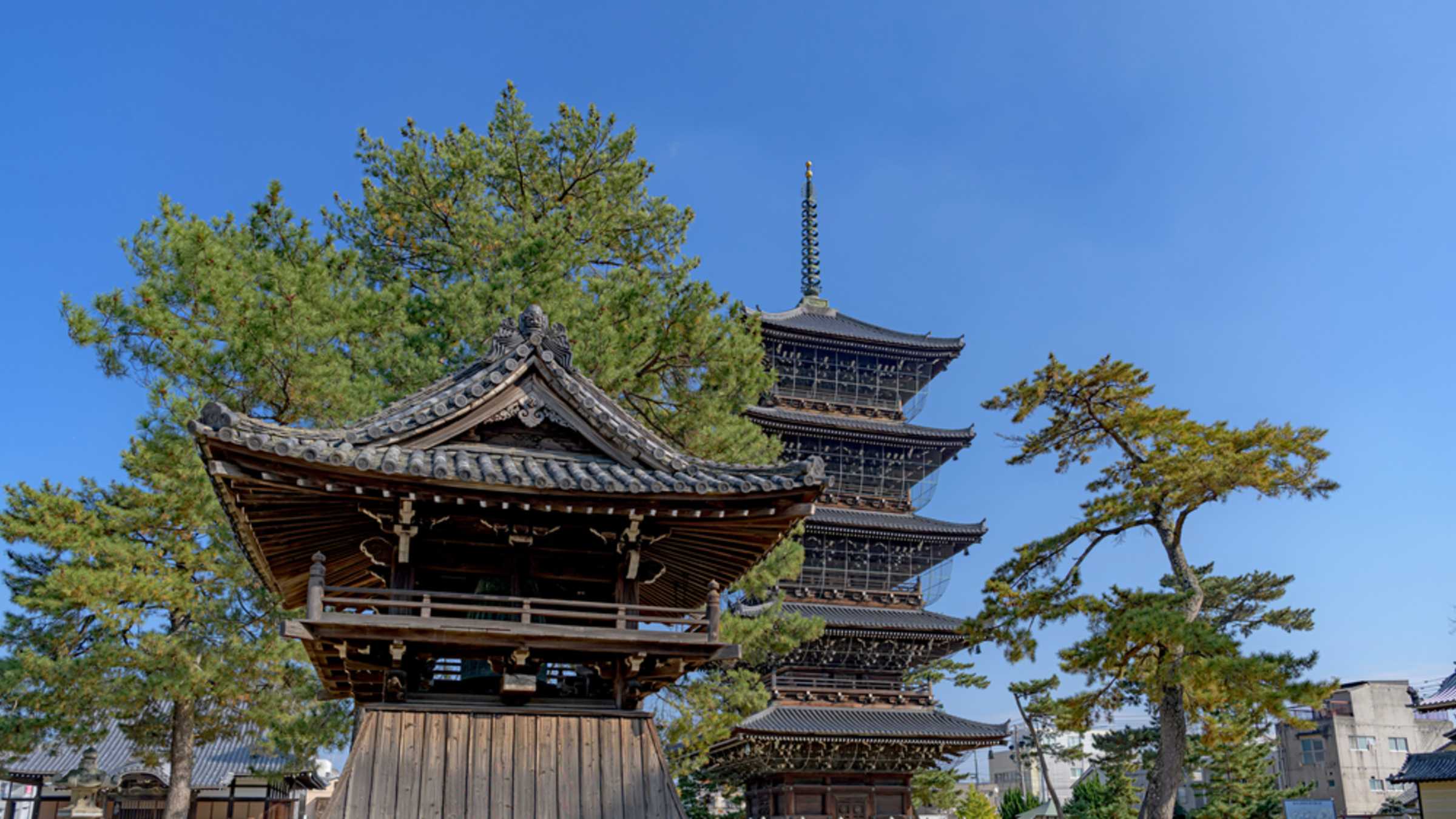
Travel south from Matsuyama by bus and taxi to Iwaya-ji (Temple 45), a sacred site deeply connected to Shingon Buddhism and its founder, Kobo Daishi. Climb the temple’s famous ladder to Kobo Daishi’s meditation spot, where you will be rewarded with breathtaking views of the surrounding mountains and valleys. From Iwaya-ji, follow the forest trail to Daiho-ji (Temple 44), another important stop on the Shikoku Pilgrimage. In the evening, return by bus to Matsuyama for your overnight stay in the relaxing hot spring town of Dogo Onsen.
Your journey concludes with a memorable hike in eastern Ehime Prefecture, exploring some of the more remote and rural landscapes of Shikoku. Travel by bus and taxi to the trailhead, then follow the route to Yokomine-ji (Temple 60), Koon-ji (Temple 61), and onwards to Hoju-ji (Temple 62), each offering a unique glimpse into the island’s spiritual heritage. After your hike, continue your travels towards Osaka or Kyoto, arriving by mid-evening. To make the most of your experience, consider adding an extra night in either city to further explore their vibrant culture, historic sites, and local cuisine at a more relaxed pace.
Independent service reviews collected by Feefo.
29.0
Kg CO₂e
per person, per night
Relative to other Headwater trips
We measure emissions from the parts of the holiday we organise — including accommodation, in-trip transport, meals and activities — and express them as CO₂e per person, per night. Our label doesn’t include your travel to and from the start of the trip. As a Certified B Corp, Headwater is committed to reducing this figure and to positively impacting local communities, the local environment and our staff. Learn more
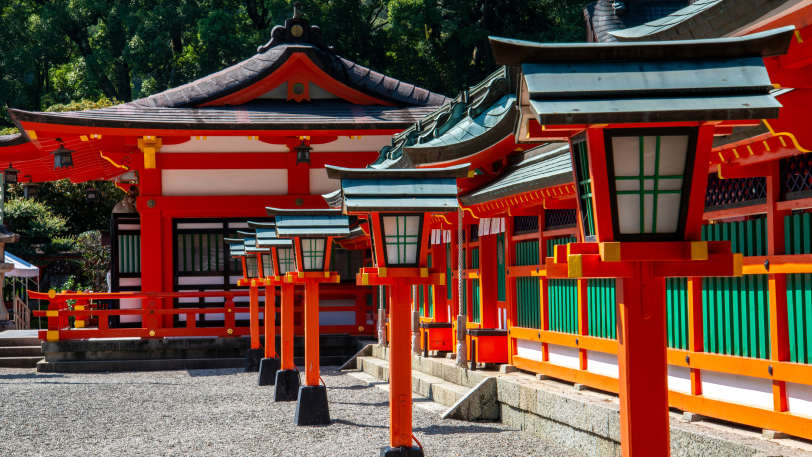
The Shikoku Pilgrimage is a spiritual journey around Japan’s Shikoku Island, visiting 88 Buddhist temples associated with the monk Kūkai. It’s a unique experience combining cultural heritage, stunning landscapes, and moments of reflection. Traditionally walked, the pilgrimage offers a deep connection to Japanese history and spirituality.
The full route is approximately 1,200 km, circling Shikoku Island. Walking the entire pilgrimage typically takes 6 to 8 weeks, but many travelers choose to complete shorter sections. We offer itineraries that focus on the most scenic and culturally rich parts of the route.
Accommodation ranges from traditional ryokan and minshuku (family-run inns) to modern hotels. Staying in these authentic properties offers a taste of Japanese hospitality, with comfortable rooms and delicious local cuisine. Many places also provide the chance to experience traditional tatami rooms and futon bedding.
The best seasons are spring (March to May) and autumn (September to November), when the weather is mild and the scenery is spectacular. Summer can be hot and humid.
Pack light but smart:
Comfortable walking shoes or boots,
Breathable layers for changing conditions,
Waterproof jacket,
Sun protection (hat, sunglasses, sunscreen),
Reusable water bottle and small daypack,
Quick-dry clothing,
Spray repellent for ticks and insects,
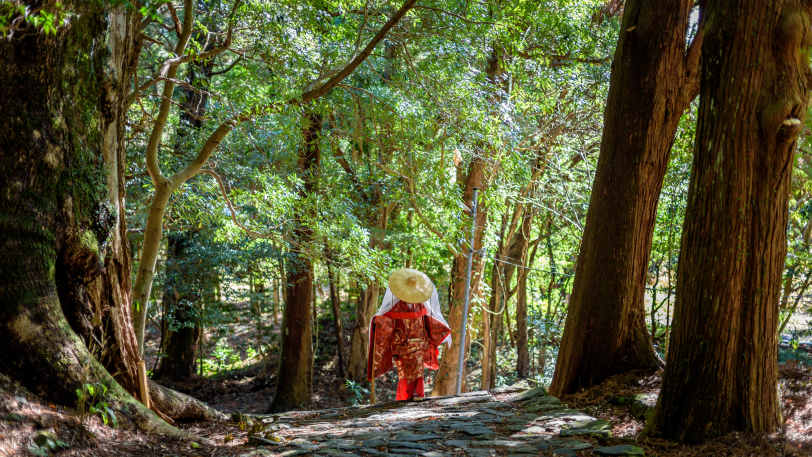
Optional: A white pilgrim vest (hakui) and walking staff (kongō-zue) for a traditional experience
The 88 temples are sacred sites linked to the monk Kūkai, each with its own history and significance. They are spread across Shikoku’s four prefectures: Tokushima, Kōchi, Ehime, and Kagawa. Pilgrims collect stamps at each temple in a special book, creating a lasting record of their journey.