


Self-Guided Pilgrimage
France: Le Puy Camino Way
Rich in history and symbolism, this route remains a timeless classic. Beginning in the Gevaudan region, the path leads to the wild beauty of Aubrac, then follows the Lot Valley, featuring the iconic village of Conques, before heading south-west towards the Pyrenees. The route skirts the vast limestone plateaus known as the Quercy Causses, renowned for their numerous chasms, or ‘igues’. The most famous is the Padirac Chasm, with its spectacular underground river. Further along, the trail crosses the Causse de Gramat, a rugged sheep-rearing landscape sculpted by underground waters and carved open by the dramatic canyons of the Alzou (near Rocamadour) and the Ouysse. Finally, ancient towpaths trace the banks of the Lot River, leading to the artistic city of Cahors, a perfect blend of nature, history, and culture.
Our travel specialists can arrange flights, rail and transfers to this holiday from wherever you are. Call us to plan your journey. +44 1606 720099
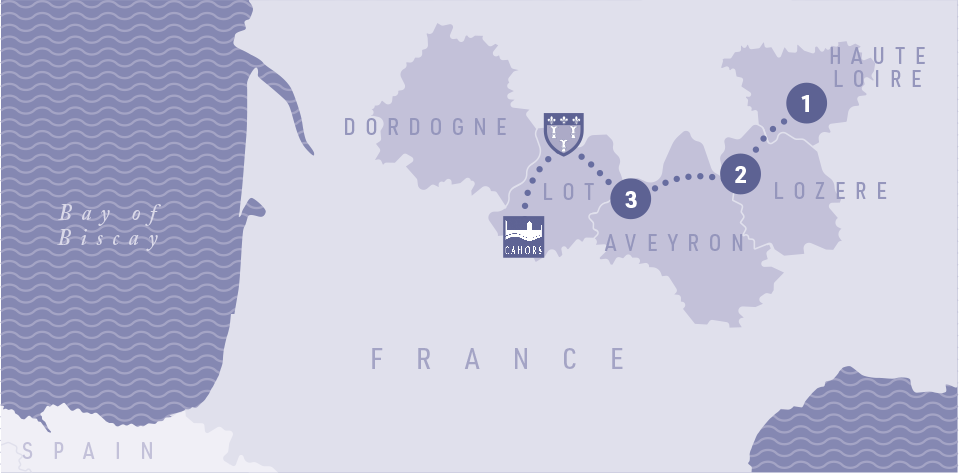

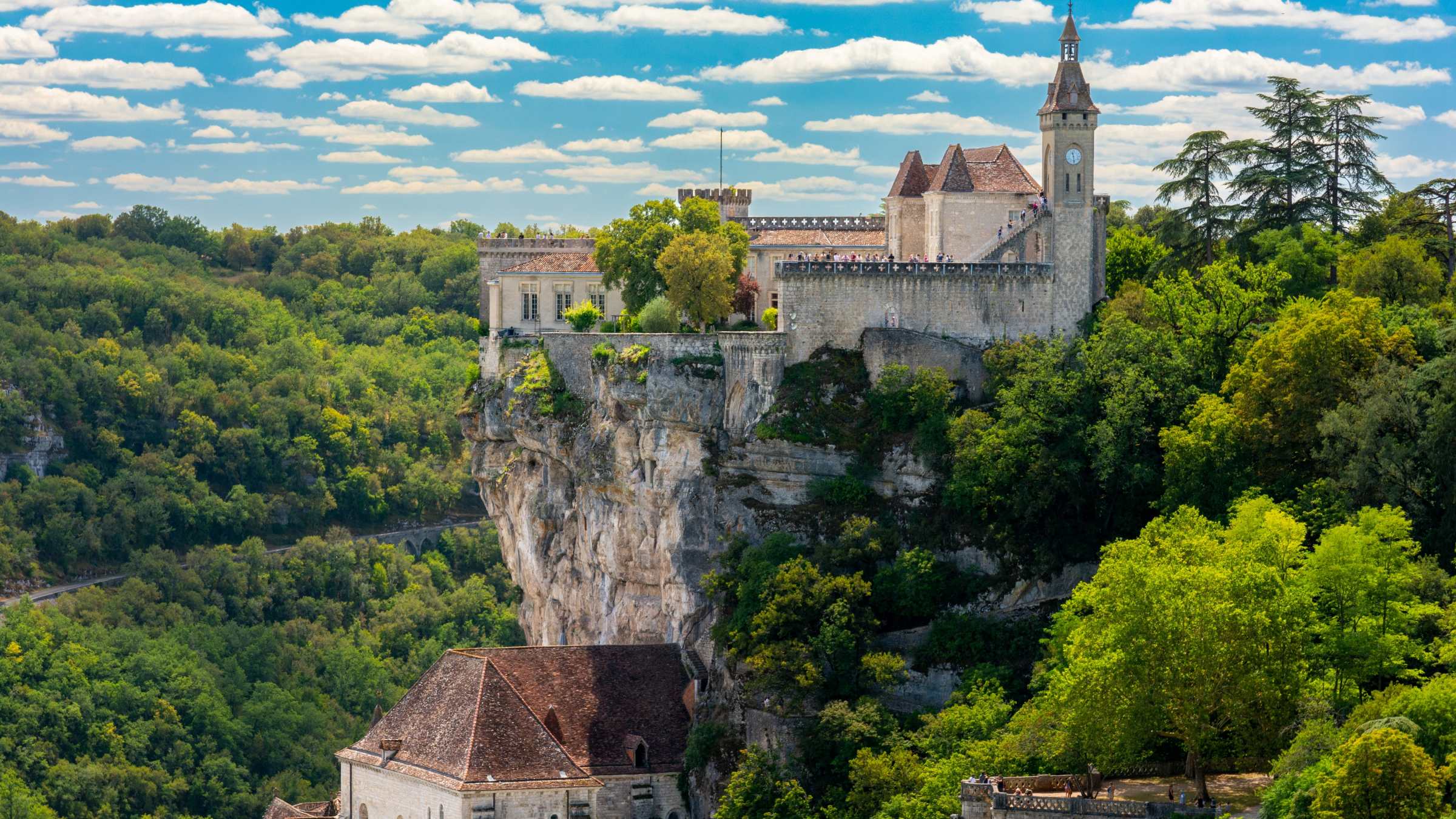
Arrive in Conques a true gem of Romanesque art nestled in lush greenery.
To fully appreciate Conques and its stunning Romanesque abbey, we recommend arriving by late morning or early afternoon, allowing plenty of time to explore this remarkable heritage site at your leisure.
In Conques, overnight stays at the abbey are available on request. This pilgrim accommodation offers simple, comfortable rooms and is run by dedicated volunteers. Guests can expect basic comforts, with shared bathroom facilities serving several rooms, providing an authentic and welcoming experience for those walking the Way of St James.
Set off for the surrounding hills, where you’ll be treated to stunning views of the village of Conques. Along the way, visit the historic Saint-Roch Chapel, once a revered pilgrimage site. Saint Roch is especially venerated by Jacobean pilgrims, often depicted as a pilgrim accompanied by a bumblebee and the iconic scallop shell, symbols deeply connected to the Way of St James.

Depart for Montredon, a charming village dominated by the Saint-Michel Church. Continue to Guirande and explore its beautiful Romanesque chapel of Sainte-Marie.
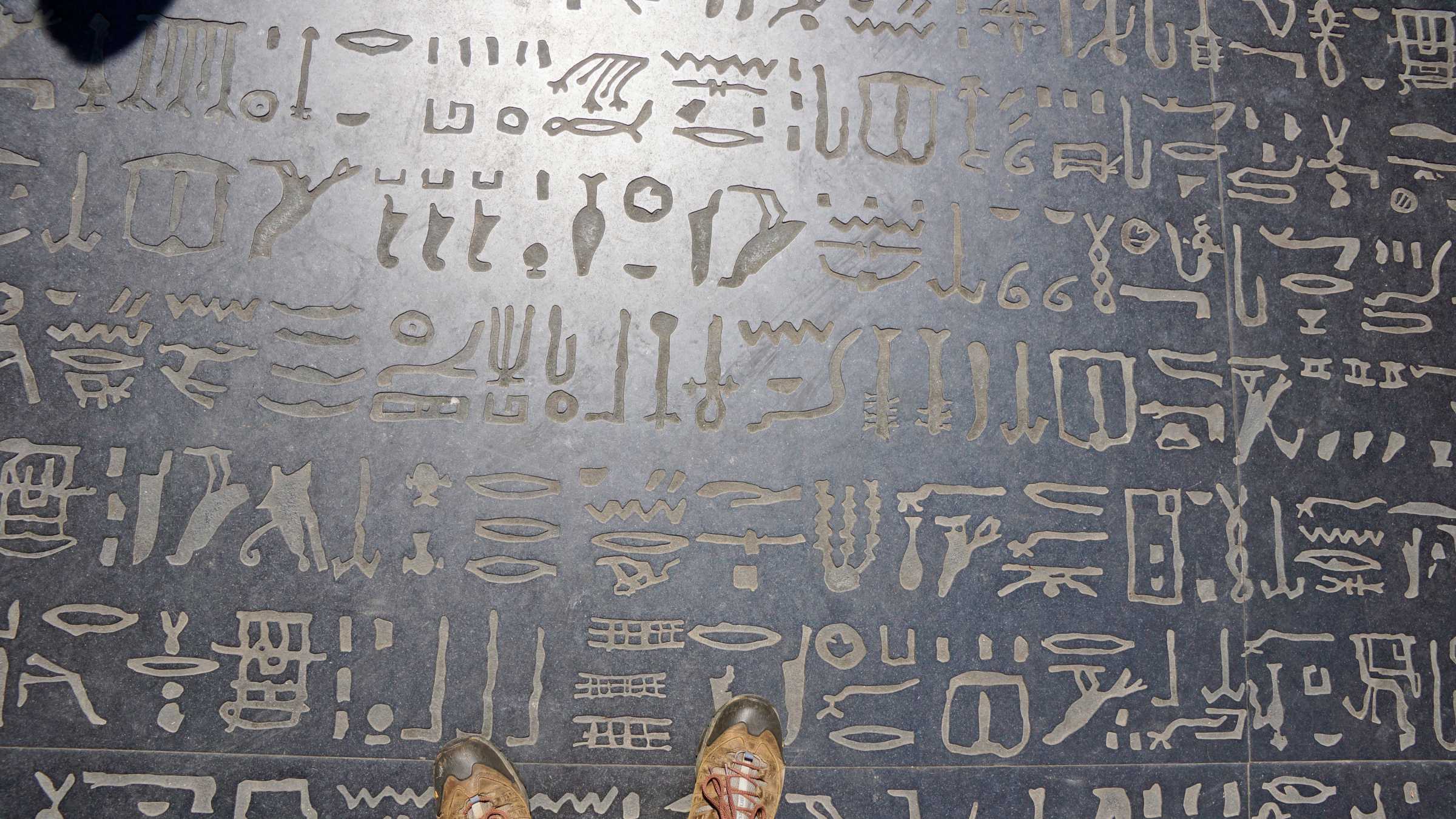
Journey through the peaceful countryside before arriving in Figeac, the birthplace of the linguistic genius Jean-Francois Champollion. Here, you can visit a dedicated museum celebrating his remarkable achievements. Don’t miss the chance to discover Figeac’s historic Benedictine abbey, dating back to the ninth century.

Today, you leave the GR65 to follow the alternative route via the GR6, crossing the medieval village of Cardaillac. Nestled around its ancient fort and perched on a plateau dotted with chestnut trees, Cardaillac offers a glimpse into history. The path winds through valleys and forests, where bubbling streams add to the tranquil scenery.
After passing the charming village of Saint-Bressou, you arrive at Lacapelle-Marival, dominated by its impressive castle. Inside the 15th-century church, admire a remarkable painting by Jacques Gamelin depicting the Assumption of the Virgin.

Cross the Limargue, a fertile land known for its livestock and cereal fields. Before reaching Gramat, explore the charming villages of Rudelle, a historic bastide founded in 1250, and Themines, home to a well-preserved 13th-century market hall and the notable Beaulieu Hospital.
On arrival in Gramat, the tranquil gardens of the Grand Couvent offer a perfect spot for contemplation and relaxation, with the option to visit the beautifully maintained park.
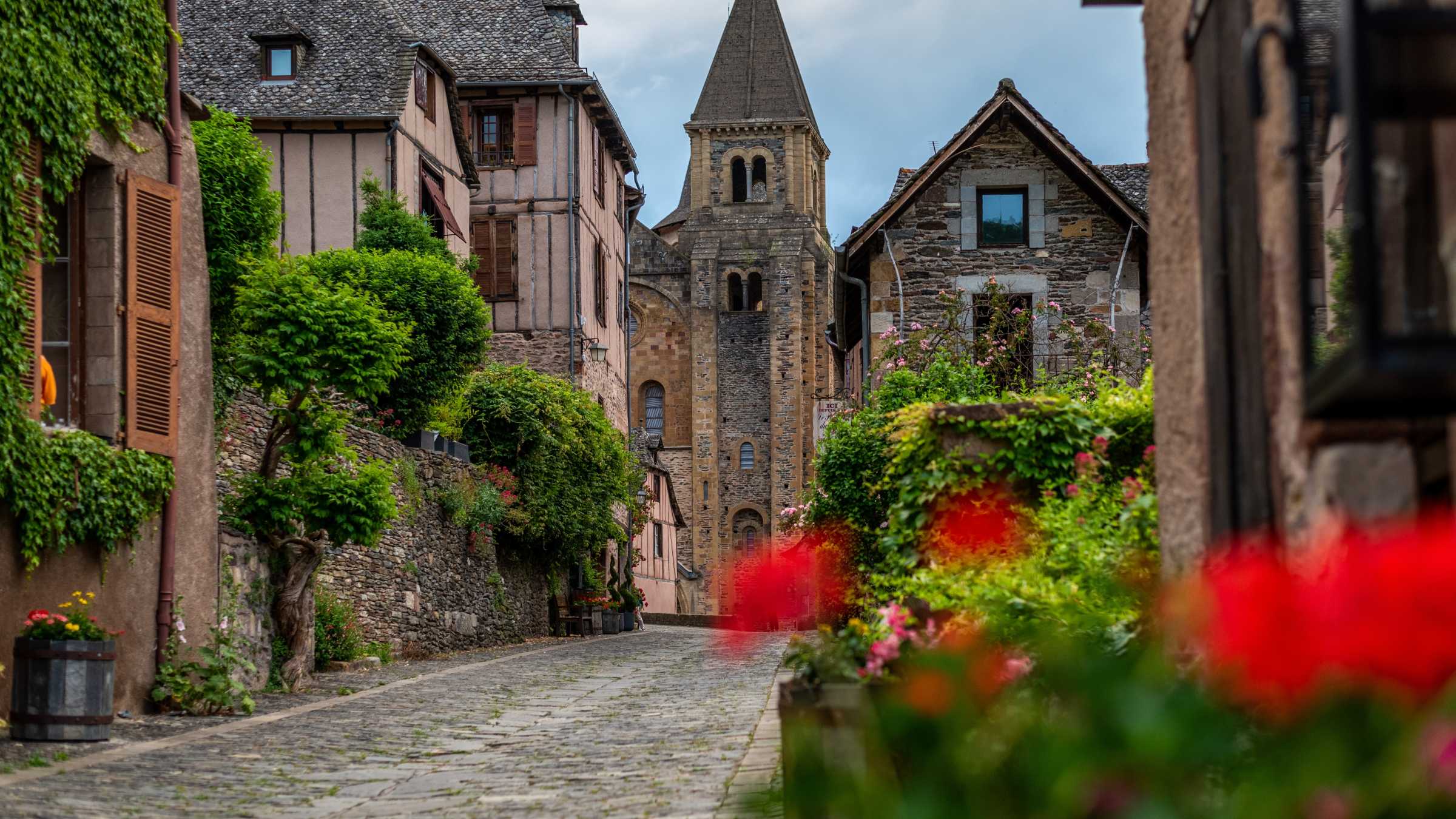
This stage invites you to explore the pristine natural beauty of the Ouysse Valleys and the dramatic Alzou Canyon. Along the way, discover the ruins of old mills that once harnessed the river’s current.
Protected Natural Area, these valleys safeguard diverse wildlife including peregrine falcons, otters, and rare orchids. Your journey concludes in the stunning cliffside town of Rocamadour, a UNESCO World Heritage Site renowned for its breathtaking setting and rich heritage.

Depart for the village of Couzou, home to a castle classified as a Historic Monument since 1992. Continue past the unique La Comte windmill, notable for its two pairs of millstones, then on to the old English bastide of Montfaucon. Perched on a promontory and founded in 1292, Montfaucon offers striking views and rich history.
Experience the breathtaking panorama of the Bel-Air plateau before journeying through the picturesque valleys of the Rauze and the Vers rivers. Along the way, pass the historic Commandery of Cras and the remarkable Gallo-Roman aqueduct of Divona. Explore the ancient oppidum of Murcens before arriving at the charming village of Vers.

Enjoy stunning panoramas of the Lot River and its historic locks. Explore the old towpath leading to the picturesque village of Arcambal, home to a 15th-century church and the impressive Bousquet Castle, classified as a Historic Monument.
Arrive in Cahors, a charming town nestled within a meander of the Lot. Discover the iconic Valentre Bridge, a UNESCO World Heritage Site and a renowned symbol for pilgrims on the Way of St James.

Leave Cahors and onward travels.
Enjoy exploring the town and consider an extra night before heading home.
Independent service reviews collected by Feefo.
8.0
Kg CO₂e
per person, per night
Relative to other Headwater trips
We measure emissions from the parts of the holiday we organise — including accommodation, in-trip transport, meals and activities — and express them as CO₂e per person, per night. Our label doesn’t include your travel to and from the start of the trip. As a Certified B Corp, Headwater is committed to reducing this figure and to positively impacting local communities, the local environment and our staff. Learn more
Le Puy Camino (Via Podiensis) is best walked in May to June and September, when the weather is pleasant and the French countryside is at its most beautiful. July and August are warmer and busier, while spring and autumn offer quieter paths and comfortable walking conditions.
Yes, if you’d like to collect stamps along the way and receive the official Compostela certificate in Santiago. The pilgrim passport, or credencial, is a wonderful keepsake of your journey, it’s stamped at churches, cafés, and hotels as you progress. Even if you’re not walking for religious reasons, it adds a lovely sense of occasion and helps you access pilgrim menus and accommodation.
Le Puy Way (Via Podiensis) is one of the most beautiful and historic Camino routes, starting in Le Puy-en-Velay in France and finishing at the Spanish border in Saint-Jean-Pied-de-Port. The full route is around 750 km, typically taking 30 to 35 days to complete. We offer sections of the full itinerary, covering the most scenic sections, so you can experience the charm of rural France at your own pace.
If you have luggage transfers booked, the service is limited to one item per person. Please ensure that each piece of luggage weighs no more than 13 kg. Any item exceeding this limit cannot be transferred. Excess weight can be repacked into an additional piece of luggage.
Please note that an additional charge will apply for extra luggage. Kindly inform us before departure so that any necessary arrangements can be made.
We recommend using soft-sided suitcases, as hard-shell cases are more susceptible to damage. Neither the courier company nor Headwater can accept responsibility for any damage to hard-shell luggage.
Luggage must not exceed 130 cm in total dimensions (H × W × D).
At your first hotel, please mark your bags with the Surname of the lead booker and number each bag (1 of 2, 2 of 2 etc.). Please also ensure that where possible you lock your bags and leave nothing valuable in them. Please note we cannot be held responsible for any damage.
Please have your bags ready for collection by 8am. We make every effort to deliver your luggage to the next hotel by 6pm,
please contact us locally if your luggage has not arrived by this time.
Pack for comfort and changing conditions:
Sturdy, broken-in walking boots or shoes
Breathable layers for warm days and cooler evenings
Waterproof jacket and trousers
Sun protection (hat, sunglasses, sunscreen)
Reusable water bottle and small daypack
Quick-dry clothing for convenience
Repelent for ticks and insects
You’ll stay in hand-picked hotels and charming guesthouses, chosen for their comfort and authentic character. Many feature traditional French architecture and offer a warm welcome, private bathrooms, and hearty breakfasts to start your day.
Breakfast is included each morning, and you’ll find plenty of local restaurants and cafés along the way for lunch and dinner. Expect regional French specialties, such as rustic breads, cheeses, and hearty stews, alongside traditional pilgrim menus offering great value.


